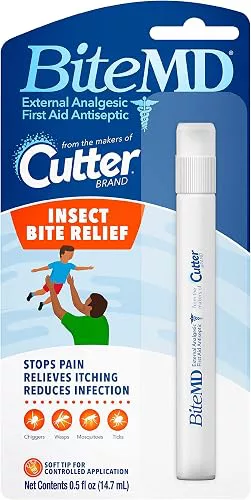
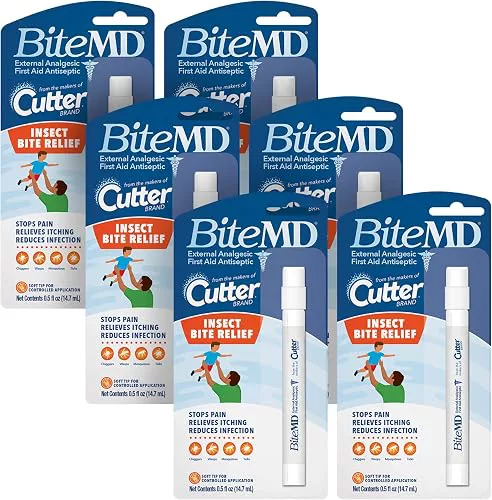
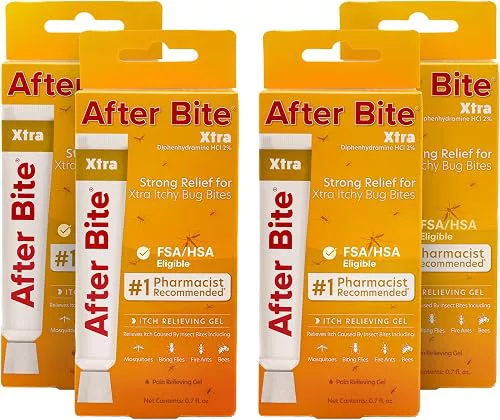
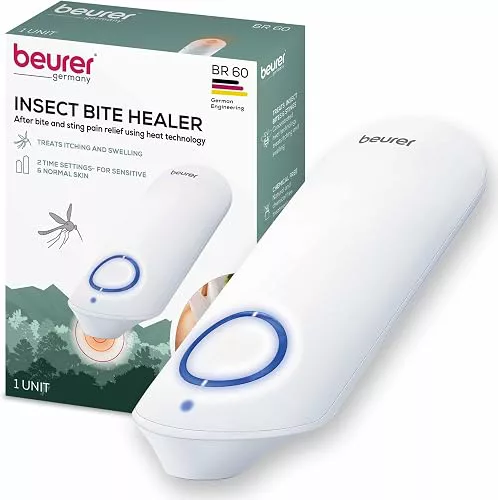
Buying Guide: Bite Relief Pens
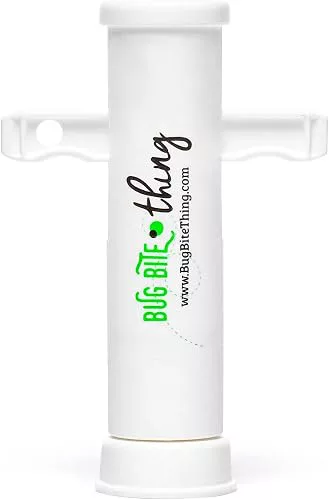
Bite relief pens are small, portable devices or applicators designed to soothe the itch and discomfort of insect bites and stings. Some use gentle heat or vibration, while others deliver a topical gel or stick formula. They fit easily in a pocket or bag, which makes them a practical item for camping, hiking, travel, or simply keeping at home during mosquito season.
This guide looks at the category as a whole and explains how a shortlist of products was assembled from customer ratings rather than hands-on testing. It covers the factors that matter when comparing an insect bite relief pen, what different price tiers tend to offer, and practical tips for getting the most from whichever option you choose. It also answers common questions about whether these products work and what to look for.
How we chose
Our shortlist is based on an analysis of customer star ratings and the number of ratings each product has received. We did not test any of these products hands-on, so we cannot describe how they feel to use or how well they perform in practice. Instead, we looked at the weight of customer feedback: products with consistently high ratings across a large number of reviews were considered stronger candidates than those with few reviews or mixed scores.
This approach has limits. Ratings reflect individual experiences and expectations, and a product that suits one person may not suit another. We also considered how clearly each product is described and how well its format fits the category, such as whether it is a pen-style device, a stick, or a spray. The result is a starting point for your own comparison, not a definitive ranking. Reading recent reviews yourself, especially those that mention the type of bites you get most often, is a sensible next step.
Key things to consider when buying
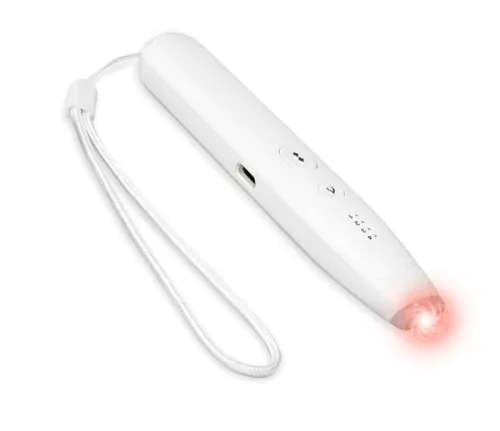
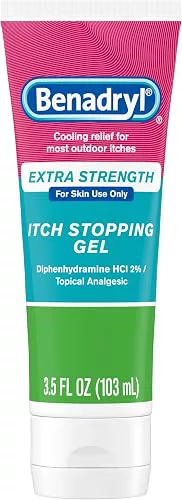
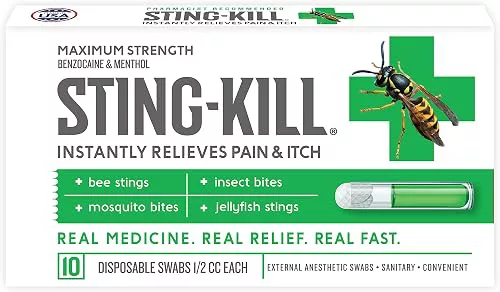
Application method. Bite relief products fall into two broad camps: devices that use heat or vibration, and topical products such as gels, sticks, and sprays. A heat-based mosquito bite relief pen works without applying anything to the skin, while a gel or stick delivers an active formula directly to the bite. Think about which approach you are comfortable with, especially if you have sensitive skin or will be using it on children.
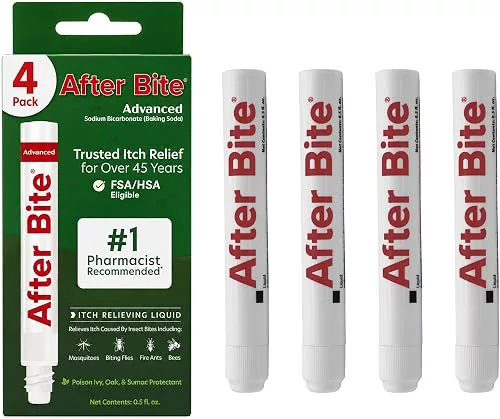
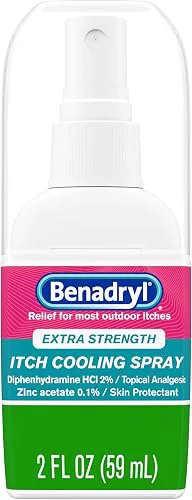
Portability and format. Most people buy a bug bite relief pen because it is easy to carry. Check the size, whether it has a cap or case, and whether it needs batteries or charging. A sting relief pen that fits in a pocket is convenient for day trips, while a multi-pack may suit a family or a household that wants one in several bags. Sprays and larger gels are less pocket-friendly but may cover a wider area.
Ingredients and skin sensitivity. Topical options vary in their active ingredients and added fragrances or cooling agents. If you have known allergies or reactive skin, read the label carefully and consider a simpler formula. Device-based options avoid topical ingredients altogether, which some people prefer. Whatever you choose, follow the manufacturer's directions and avoid using it on broken skin unless the label says otherwise.
Intended use and bite type. Some products are marketed for mosquitoes, others for a wider range of insect bites and stings. A bite treatment pen aimed at everyday mosquito bites may not be the right choice for bee stings or tick bites. Consider what you encounter most often where you live or travel, and check that the product's directions match that use. For anything unusual or severe, seek medical advice rather than relying on a relief product.
Ease of cleaning and reuse. Reusable devices need cleaning between uses, and some have contact surfaces that sit against the skin. Check whether the instructions call for wiping down the tip or replacing parts. Disposable or single-use formats avoid this but create more waste and may cost more over time. A bug bite relief pen that is simple to clean is more likely to stay hygienic and ready to use.
Price tiers and what you get
Budget options tend to be simple topical sticks or small gel applicators. They are inexpensive and easy to replace, but they may offer a narrower range of uses and less durable packaging. At this tier, the main thing to check is that the label clearly states what the product is for and how to apply it.
Mid-range products often include reusable pen-style devices or multi-packs of topical treatments. This is where you start to see features such as gentle heat or vibration, refillable formats, or travel-friendly cases.
Premium options are typically well-known branded products or devices with more advanced features and a higher price. They may offer a more refined design, longer battery life, or a larger multi-pack for families. A higher price does not automatically mean better results for you, so compare the features against your own needs rather than assuming the most expensive option is the right one.
Practical tips
- Read the label before first use, including any warnings about age limits, broken skin, or sensitive areas such as the face.
- Keep the product in a consistent place in your bag or first-aid kit so you can find it quickly when you need it.
- Clean reusable devices as directed, and check batteries or charge levels before a trip.
- Patch-test a topical product on a small area if you have reactive skin or are trying it on a child.
- Use relief products for minor bites only, and seek medical advice for severe swelling, signs of infection, or symptoms beyond the bite itself.
- Store products away from direct heat and out of reach of young children.
Frequently Asked Questions
Do insect bite relief pens work?
Many people find them helpful for easing the sensation of itching and for giving them something practical to do instead of scratching. Results vary from person to person, and the evidence for any single method is mixed. They are best treated as a comfort measure for minor bites rather than a medical treatment.
What is the most effective bug bite relief?
There is no single answer that suits everyone. Some people prefer a heat or vibration device, while others find a topical gel or stick easier to use. The most effective option for you will depend on your skin, the type of bites you get, and how convenient the product is to carry and apply.
What vitamin are you lacking if mosquitoes bite you?
There is no reliable evidence that a specific vitamin deficiency makes you more attractive to mosquitoes. Bite rates are influenced by factors such as carbon dioxide, body heat, and skin chemistry. If you are concerned about your diet or general health, speak with a healthcare professional rather than relying on bite frequency as a sign.
Which heat pen is best for mosquito bites?
We did not test heat pens hands-on, so we cannot name a best model. Our shortlist is based on customer star ratings and the number of ratings, and you can compare those scores alongside features such as size, battery type, and cleaning instructions. Reading recent reviews about mosquito bites specifically can help you judge whether a device suits your needs.
Are bite stop pens safe for children?
Safety depends on the specific product, so check the label for age recommendations and warnings. Some topical products are not intended for young children, and heat devices may require adult supervision. If in doubt, ask a pharmacist or healthcare professional before using any bite relief product on a child.