Buying Guide: Energy Savers
Energy savers cover a wide range of household items, from LED bulbs and smart thermostats to outlet extenders and door draft stoppers. The common thread is that each one is designed to help you use less electricity or keep conditioned air where it belongs, which can make a difference on a monthly bill over time.
This guide explains how we built the list from customer ratings rather than hands-on testing, walks through the factors worth considering before you buy, and outlines what different price tiers tend to include. It closes with practical tips and answers to questions shoppers commonly ask about energy saving devices.
How We Chose
Our list is based on an analysis of customer star ratings and the number of ratings each product has received. We did not test any product hands-on, and we did not measure electricity savings in a lab or in a home. The ranking reflects the collective experience of shoppers who left reviews, weighted by how many people took the time to rate an item.
That approach has limits worth being upfront about. Star ratings can be influenced by factors unrelated to energy performance, such as how easy something was to install or how quickly it shipped. A product with many ratings gives us a more reliable signal than one with only a handful. We treat the ratings as a starting point for your own research, not as a verdict.
The products that made the list span several categories because home energy savers are not a single type of product. Some address lighting, some address heating and cooling, and others focus on reducing drafts or making outlets more convenient. Reading reviews in the category that matches your actual problem is more useful than comparing ratings across unrelated items.
Key Things to Consider
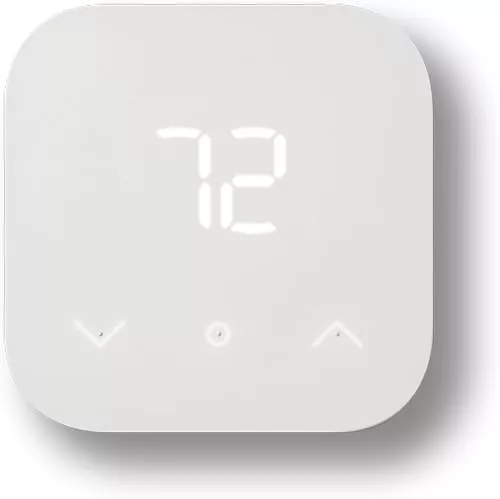
Match the device to your actual usage. The most useful energy saving gadgets are the ones that target something you use every day. A smart thermostat affects heating and cooling, which is often a large share of a household bill, while an LED bulb affects only the fixtures you actually leave on. Before buying, think about which part of your bill feels largest and start there rather than buying several items at once.
Check compatibility and installation requirements. Smart thermostats may need specific wiring, and outlet extenders depend on the shape and placement of your existing outlets. Some items, like draft stoppers, are simple to install, while others involve low-voltage wiring or an app setup. Reading the product details and a few installation-focused reviews helps you avoid returns.
Look at the rating count, not just the average. A product with a high average from a small number of ratings is less informative than one with a slightly lower average from a much larger group. Sort reviews by most recent to see whether quality has held up, and look for comments that mention durability over months rather than first impressions.
Consider ongoing costs and effort. Some energy efficient devices need replacement parts, app accounts, or periodic adjustment to keep working as intended. A thermostat that is never programmed and a draft stopper that falls off after a season will not do much. Factor in whether you will realistically maintain the setup.
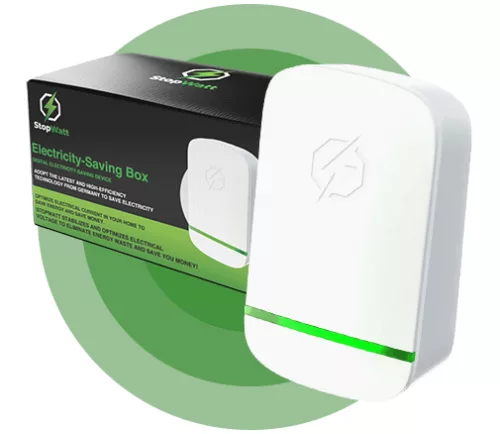
Be skeptical of broad savings claims. Products that promise to stabilize power or cut your bill by a fixed percentage deserve extra scrutiny. No device can guarantee a specific reduction because savings depend on your home, your habits, and your local rates. Treat dramatic claims as a reason to read more reviews, not fewer.
Price Tiers and What You Get
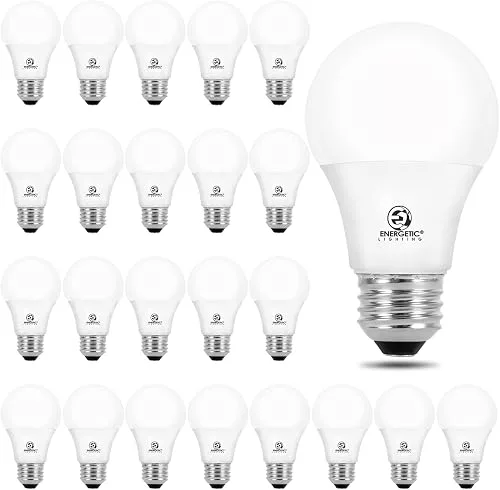
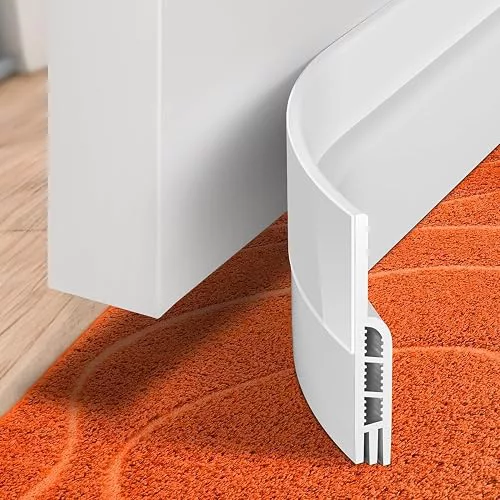
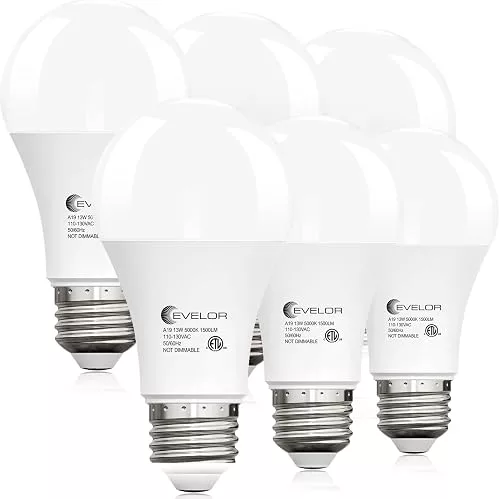
Budget tier. This range covers simple items such as LED bulbs, draft stoppers, and basic outlet extenders. You get a straightforward product that addresses one small issue, with fewer features and sometimes less durable materials. These are low-risk purchases that make sense as a first step, especially if you want to try a category before spending more.
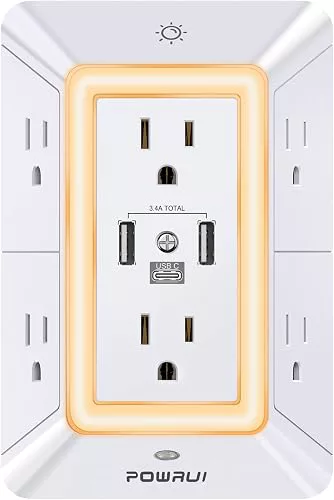
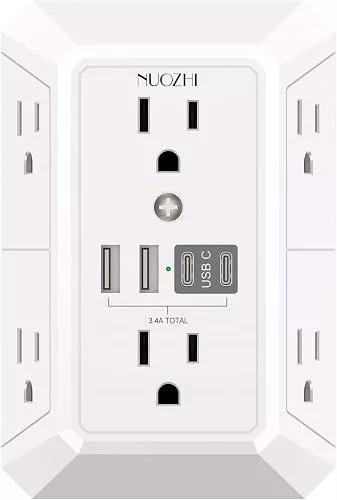
Mid-range tier. Here you start to see energy saving products with more thoughtful design, such as outlet extenders with built-in night lights and USB ports, or bulbs with better color quality and longer rated life. You are paying for convenience and build quality rather than dramatic new capabilities. This is often the sweet spot for home energy savers you plan to use daily.
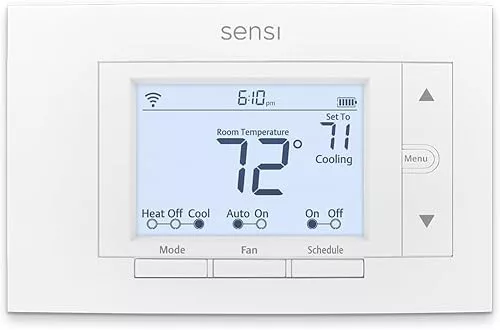
Premium tier. Smart thermostats and similar connected devices sit here. You get scheduling, app control, and compatibility with broader smart home setups, along with the need to install and configure them properly. The value depends heavily on whether you will use the scheduling features consistently, so this tier rewards a little planning before purchase.
Practical Tips
- Start with the biggest load in your home, usually heating and cooling, before spending on smaller items.
- Read reviews that mention long-term use, since first-week impressions say little about durability.
- Keep receipts and check return windows, especially for anything that requires installation.
- Set a reminder to adjust thermostat schedules when seasons change so settings stay useful.
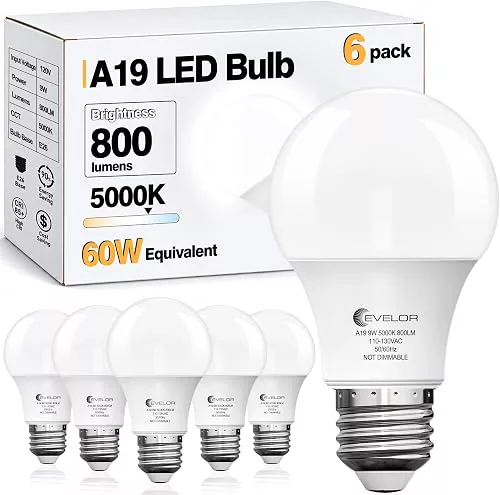
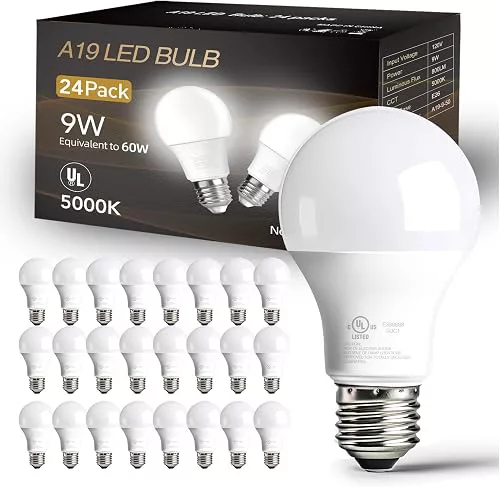
- Compare the rated life and color of bulbs before buying in bulk for a whole room.
- Treat any device that promises a fixed percentage off your bill as a claim to verify, not a fact.
Frequently Asked Questions
What is the best energy saver?
There is no single answer because it depends on what uses the most power in your home. For many households, addressing heating and cooling with a smart thermostat or reducing drafts has a larger effect than swapping small devices. Reading ratings in the category that matches your biggest usage is the practical way to choose.
What runs up your electric bill the most?
Heating and cooling typically account for the largest share for most homes, followed by water heating and large appliances. Lighting and small electronics usually matter less individually but add up across a whole house. Checking your own usage patterns is more useful than general estimates.
How do I drastically reduce my electric bill?
Large reductions usually come from a combination of changes rather than one purchase. Sealing drafts, adjusting thermostat schedules, switching frequently used lights to LED, and unplugging unused devices all contribute. A single energy saving device is unlikely to transform a bill on its own.
Is there any device that can reduce the electricity bill?
Many devices can help, but the effect varies by home and habits, and no product can guarantee a specific reduction. Thermostats, LED bulbs, and draft stoppers each address a real source of waste. Be cautious with products that promise fixed percentage savings without explaining how they achieve them.
Are energy saving devices worth the money?
It depends on the device and how consistently you use it. Low-cost items like bulbs and draft stoppers are easy to justify, while premium connected devices make more sense if you will use their scheduling features. Ratings and review counts can help you judge whether others found the product durable and useful.