Buying Guide: EMS Knee Massagers
EMS knee massagers are wearable devices that use mild electrical muscle stimulation, often combined with heat, vibration or red light, to work the muscles around the knee. People look at them as a home option for everyday knee discomfort, stiffness after activity, or simply relaxing tired legs. They are not a medical treatment, and anyone with a pacemaker, implanted device, or an unclear knee problem should check with a clinician before using one.
This guide explains how we built our list from customer star ratings and rating counts rather than hands-on testing. It walks through the factors that matter when comparing models, from electrode placement and heat settings to fit and battery life, and it groups the options on our list into budget, mid-range and premium tiers so you can match a device to your needs and routine.
How We Chose
Our list is built from customer feedback rather than our own hands-on testing. We looked at the star ratings and the number of ratings each EMS knee massager has received from buyers, then used those two signals together to rank the options. A device with a strong average from a large number of buyers generally ranks above one with a similar score from only a handful of reviews, because the larger sample is less likely to be skewed by a few unusually good or bad experiences.
We also read through the themes that recur in customer comments, such as how easy a unit is to put on, whether the controls are clear, and how comfortable the straps feel over longer sessions. These observations help us describe each product in general terms, but they are not test results. We did not wear, measure, or otherwise try any of these devices, so treat the ratings as a starting point and read recent reviews yourself before deciding.
Key Things to Consider
Stimulation modes and intensity levels. Most EMS devices offer several programs and adjustable intensity, and a wider range helps you find a setting that feels comfortable rather than sharp. Look for clearly labeled modes and simple controls, since fiddling with buttons while a pad is on your knee is frustrating. If you are comparing TENS and EMS, note that they are different: EMS targets muscle contraction, while TENS is aimed at nerve sensation, and some devices combine both.
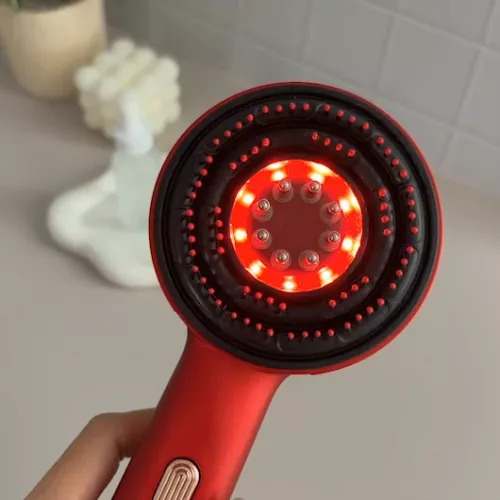
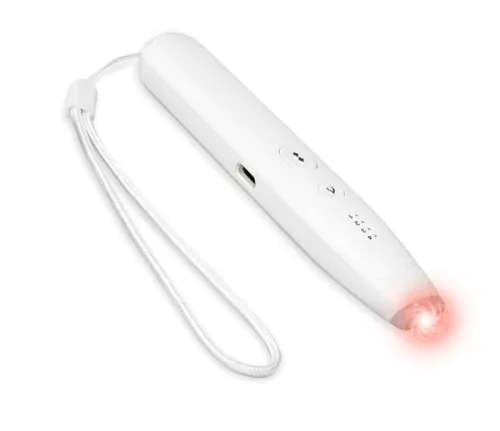
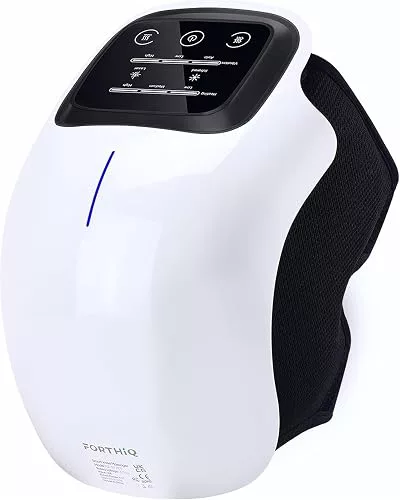
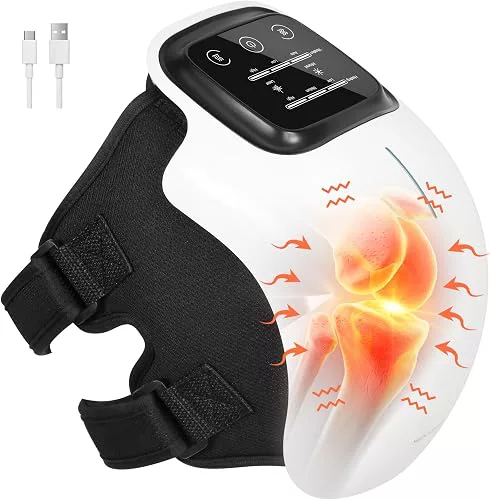
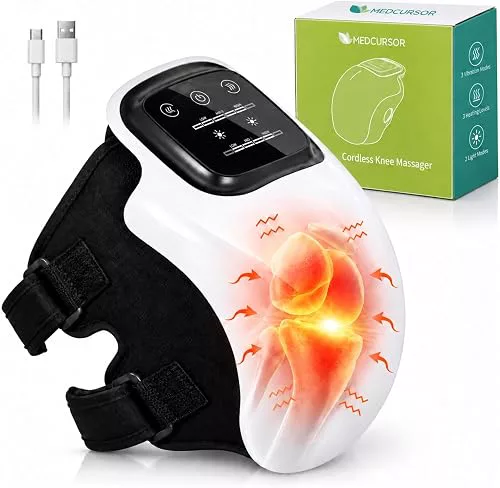
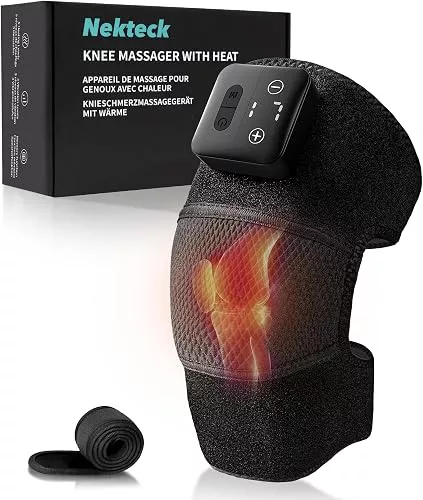
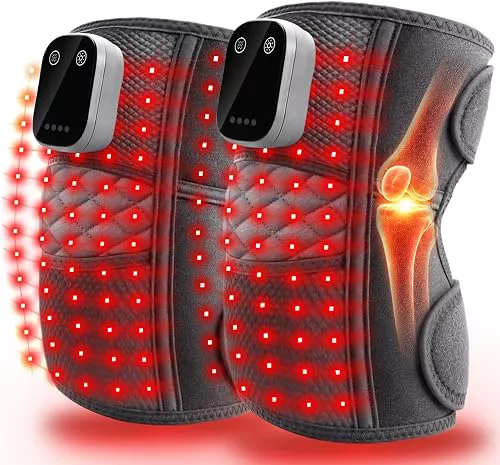
Heat, vibration and red light features. A knee massager with heat can feel soothing, especially in cool weather, and adjustable warmth is more useful than a single on or off setting. A knee massager with red light adds another option that some buyers enjoy as part of a wind-down routine. A knee massager with heat and vibration pairs warmth with gentle movement, which some people find more relaxing than stimulation alone.
Fit, straps and coverage. Because these devices wrap around the joint, fit matters as much as the electronics. Adjustable straps that hold the pads snugly against the skin help the stimulation feel consistent, and a wrap that covers the area around the kneecap without pinching is easier to wear for a full session. Check the stated size range and whether the unit is designed for one knee or can be swapped between legs.
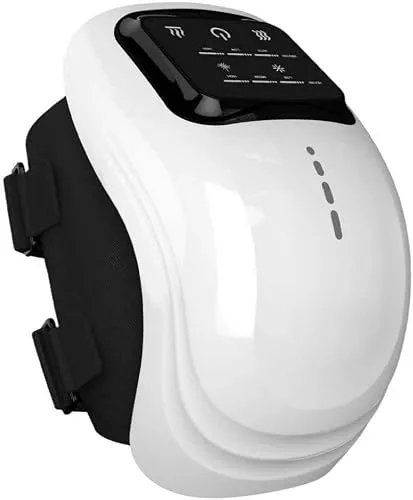
Power source and portability. A cordless knee massager is easier to use while moving around the house or traveling, while a corded model ties you to an outlet but may run longer without charging. A cordless heated knee brace style device is convenient for short sessions, but battery life and charge time matter if you plan to use it daily. Consider where you will sit or move during use before choosing.
Controls, display and build. A smart knee massager may include an app, voice prompts, or a display that shows mode, intensity and battery level. Clear feedback makes sessions easier to repeat, and simple buttons are often more practical than menus. Also look at how the device is cleaned and whether the pad covers are removable or wipeable, since these units sit against the skin.
Price Tiers and What You Get
Budget. Entry-level electric knee massager models usually focus on basic EMS programs with a few intensity levels and simple button controls. Heat may be limited or fixed, and the wrap is often a straightforward strap design. These are a reasonable starting point if you want to see whether electrical stimulation suits you before spending more.
Mid-range. This is where most of the list sits, and it typically adds adjustable heat, more programs, and better strap design. You may find a knee massager with heat and vibration, or a model with red light alongside stimulation. Cordless versions become more common here, and displays or voice prompts start to appear. Mid-range devices usually balance features against ease of use.
Premium. Higher-priced models tend to combine multiple features, such as heat, red light, vibration and app control, in a more polished wrap with a larger display and longer battery life. A heated knee massager at this level may offer finer heat adjustment and more comfortable materials. The extra cost buys convenience and flexibility more than a different kind of stimulation, so decide whether those extras fit your routine.
Practical Tips
- Start on the lowest intensity and increase gradually, giving your skin and muscles time to adjust to the sensation.
- Keep sessions short at first and follow the manufacturer's stated maximum session length and daily use guidance.
- Clean and dry the pads and your skin before each use so the stimulation stays consistent and the wrap stays comfortable.
- Check the strap fit while seated and standing, since a loose wrap can make the sensation feel uneven.
- Store the device with the battery partly charged if you plan to leave it unused for a while.
- Speak to a clinician first if you have a pacemaker, are pregnant, or have an undiagnosed knee problem.
Frequently Asked Questions
What is the best knee massager for knee pain?
There is no single answer, because comfort and fit vary from person to person. Look for a device with adjustable intensity, a secure strap, and heat if you find warmth soothing, then check recent customer ratings for the features you care about. A clinician can help you decide whether EMS is appropriate for your situation.
Is TENS or EMS better for knee pain?
They work differently: EMS stimulates muscle contraction, while TENS targets nerve sensation. Which feels more useful is personal, and some devices offer both modes so you can compare. If you are unsure, ask a clinician or physiotherapist which approach suits your knee.
Do knee massagers really work for knee pain?
Customer reviews suggest many people find them soothing or relaxing, but responses vary and these devices are not a cure for an underlying knee problem. They are best treated as a comfort aid alongside advice from a healthcare professional. Read a range of reviews rather than relying on a single account.
What is the best brand of knee massager?
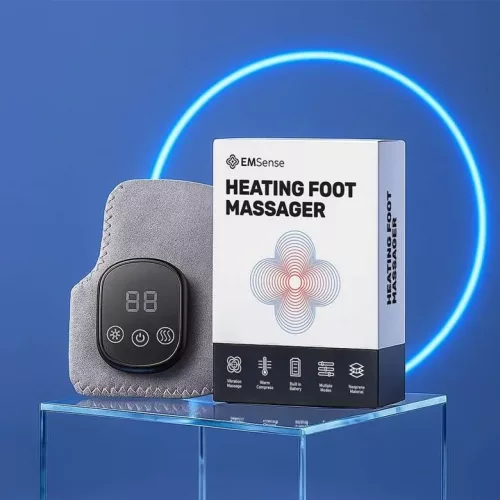
Rather than picking a brand, compare individual models on ratings, rating count, fit, and the features you need. Our list includes options such as the EMSense device and Medcursor models, described in general terms. A well-rated device from any brand that fits your knee and routine is a sensible choice.
Are cordless knee massagers worth it?
A cordless knee massager is convenient if you want to move around or travel with it, and it avoids cables during a session. The trade-off is battery life and charge time, so check the stated runtime if you plan to use it daily. Corded models can be simpler if you always use the device in one spot.