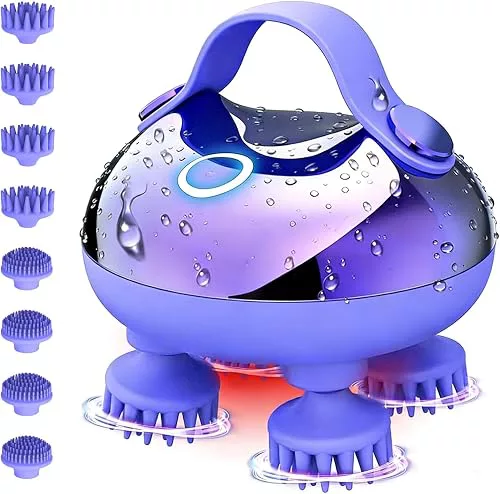
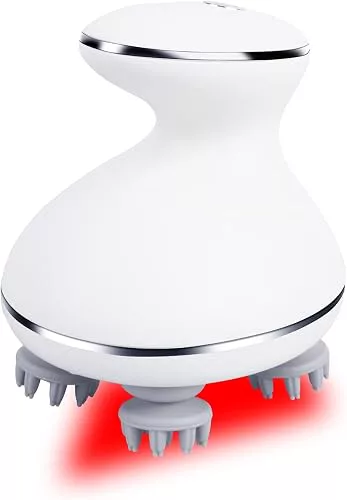
Buying Guide: Red Light Scalp Massagers
Red light scalp massagers combine gentle vibration or kneading with red LED light aimed at the scalp. People buy them for relaxation during a scalp routine, for a lighter way to work through product, and out of curiosity about red light in personal care. The category has grown quickly, and the devices now range from simple handheld brushes to heated, cordless models with several light modes.
This guide summarizes a short list of options and explains how to compare them without hype. It covers the method behind the ranking, the features that matter most, what different price tiers tend to include, and practical tips for choosing a red light scalp care massager that fits your routine.
How we chose
We built this list by analyzing customer star ratings and the number of ratings each product has received. We did not test these devices hands-on, so nothing here is based on our own use, measurements, or lab results. The ranking reflects how buyers rated the products after purchase, weighted by how many people left a rating, so a device with many solid ratings can rank above one with a handful of high ones.
Ratings are useful but limited. They tell you how satisfied buyers were with comfort, build, and ease of use, not whether a device changed anyone's hair. We read the overall pattern rather than isolated reviews, and we treated very small rating counts with caution. The result is a practical starting point for comparing an electric scalp massager with red light, not a promise about outcomes.
Key things to consider when buying
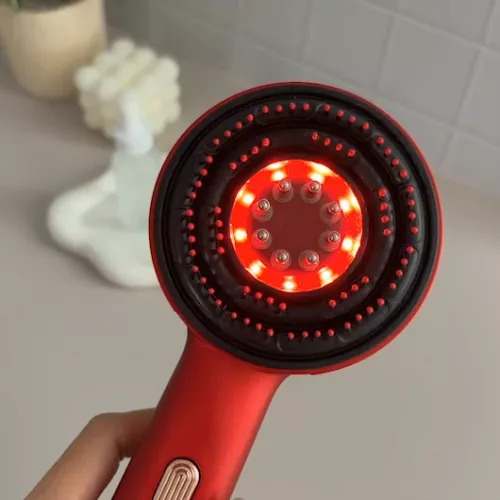
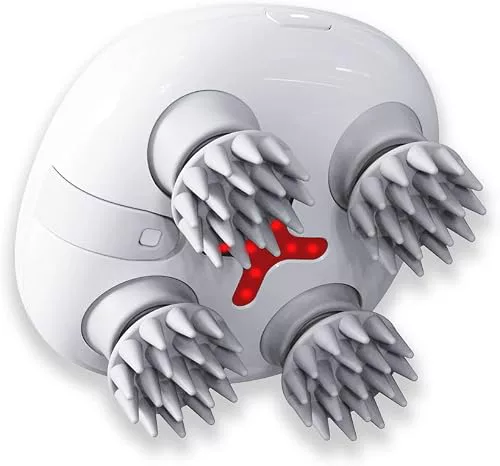
Light type and modes. Most devices in this category use red LEDs rather than true laser diodes, and the number and layout of lights vary. Look for clear descriptions of the light modes and whether they can run with or without vibration. A red light head massager with a few steady settings is usually easier to use consistently than one with many modes you never touch.
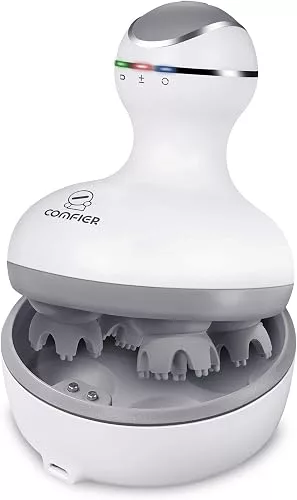
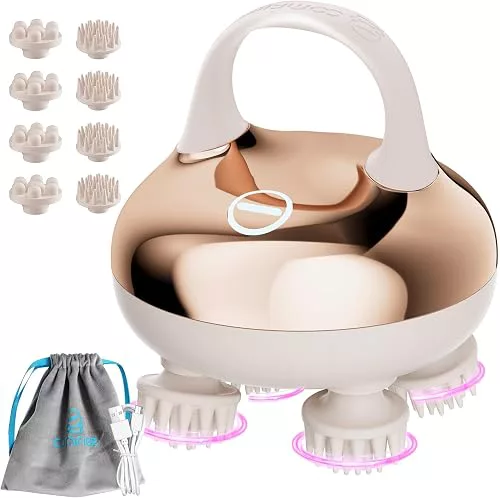
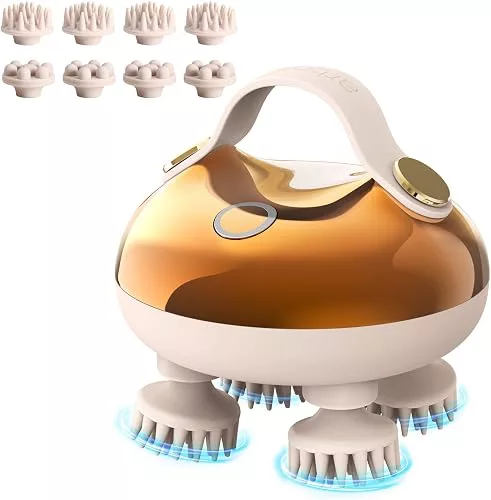
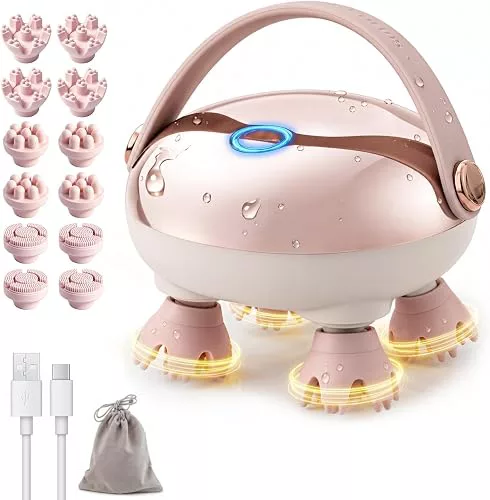
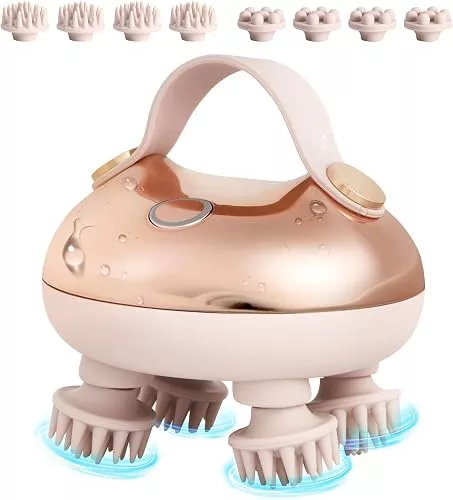
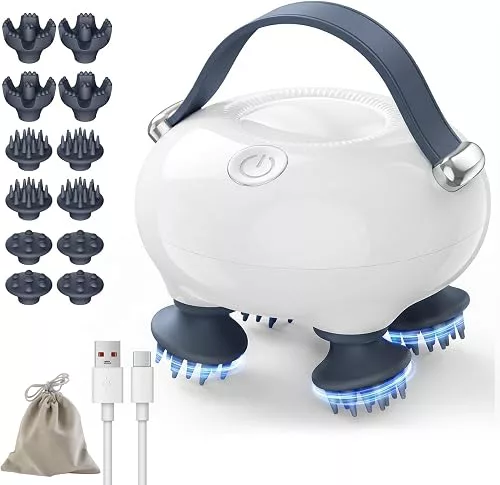
Massage mechanism. Some devices use soft silicone bristles that flex against the scalp, while others use rotating nodes or a vibrating plate. Bristle flexibility matters if your scalp is sensitive, and rotating nodes can tug on longer hair if the device is not described as tangle-free. Check the shape of the contact points and how the device is meant to move across the head.
Power and portability. A cordless red light scalp massager is easier to use away from an outlet, but battery life and charging time vary. Corded models avoid charging but limit where you can sit. If you plan to use it in the shower or near water, confirm the device is described as water-resistant rather than assuming it is.
Comfort, fit, and noise. Weight and grip affect how long you can comfortably hold a portable red light scalp massager, especially over the back of the head. Vibration and motor noise also matter if you use it at night or near other people. Look for comments about noise level and hand fatigue in reviews, since these come up often.
Controls and routine fit. Simple buttons, clear indicators, and an auto shutoff make a device easier to use regularly. Consider how long a session is meant to last and whether the device suits your hair length and texture. An electric red light scalp massager that fits a two-minute habit is more useful than one that requires a long setup.
Price tiers and what you get
Budget. Entry-level options usually offer basic vibration and a small set of red lights, often with a cord and simple on-off controls. Build materials tend to be lighter plastic, and battery models may have shorter run times. These can suit someone who wants to try a scalp massager with red light before spending more.
Mid-range. This is where most of the list sits. You can expect more light nodes, several speed or mode settings, better bristle design, and more cordless options with reasonable battery life. Devices in this tier often include heat, quieter motors, and more comfortable grips. A red light scalp brush massager at this level usually balances features and simplicity.
Premium. Higher-priced models tend to add longer battery life, more refined controls, water resistance, and sturdier construction. Some include heat and additional massage heads. The extra cost is mostly about build and convenience rather than a different category of light. Decide whether those conveniences matter for how often you will actually use the device.
Practical tips
- Start with short sessions and a low setting, then adjust as you learn how your scalp responds.
- Use the device on a dry or lightly oiled scalp as the manufacturer describes, and keep product away from the light openings.
- Clean the bristles or contact points after use to avoid buildup of oils and styling products.
- Check the charging port and any water-resistance claims before using the device near a sink or shower.
- Keep the manual and warranty information, since battery and motor issues are the most common long-term complaints.
Frequently Asked Questions
Do red light scalp massagers work?
It depends on what you expect. Buyers generally rate them on comfort, relaxation, and how well they work through the scalp, and many enjoy them as part of a routine.
What did Elon Musk use to regrow hair?
Public discussion often mentions prescription treatments, but we cannot confirm personal medical details, and we do not make claims about any individual. If hair loss is your concern, a qualified professional is the right source for advice. A scalp massager is best viewed as a comfort device, not a treatment.
What did Jennifer Lopez use for hair loss?
Product choices attributed to public figures are often marketing rather than documented fact. Focus on features and ratings that match your own needs.
Is a cordless red light scalp massager worth it?
A cordless model is convenient if you want to use it away from an outlet or while moving around. The trade-off is battery life and charging time, so check how long a charge lasts and how buyers describe it. Corded models can be a simpler choice if you always use it in one spot.
How often should I use an electric red light scalp massager?
Follow the manufacturer's recommended session length and frequency, and start with less than the maximum. If you feel discomfort, irritation, or unusual sensitivity, stop and consult a professional. Consistency matters more than long sessions.