Buying Guide: Hose Sprayers
A hose sprayer is one of those small garden tools that quietly shapes how much you enjoy watering. The right one turns a simple task into something quick and comfortable, while a poorly matched one can leave you wrestling with a stiff trigger or replacing a cracked body after a season. Sprayers vary widely in body material, grip design, spray pattern options and how they attach to the hose, so the differences matter more than the low price might suggest.
This guide looks at a range of hose sprayer models, from compact attachments to heavier metal nozzles, and explains how we narrowed the list using customer ratings rather than hands-on testing. You will find the factors worth thinking about before you buy, a plain description of what different price levels tend to offer, and practical tips for getting more from whichever sprayer you choose.
How We Chose
Our selection is built from customer feedback rather than from our own testing. We did not try these products in a garden, run them under pressure or measure their output. Instead, we looked at the star ratings shoppers left after buying and using them, and at how many ratings each product had received. A high average built on a large number of ratings tells us more than a single glowing review, so we weighed both signals together.
We also considered how consistent the feedback was. Products with a strong average and a steady stream of ratings tended to rank more confidently than those with a small handful of reviews, even when the averages looked similar. This approach has limits: ratings reflect other people's priorities, water pressure and expectations, not yours. Treat the list as a starting point for your own comparison, and read a few recent reviews on each product to see whether the comments match how you plan to use a hose sprayer nozzle.
Key Things To Consider
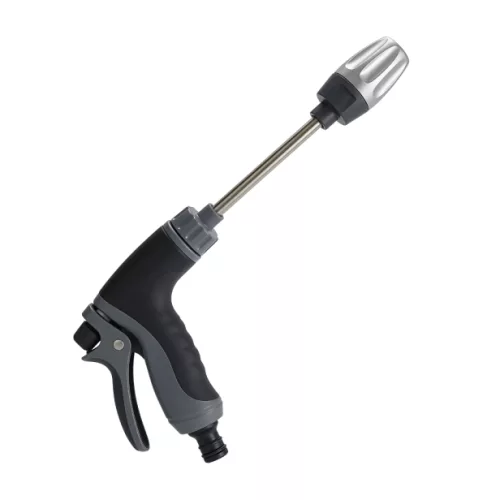
Body material and build. Most hose sprayers fall into plastic, metal or a mix of both. Plastic bodies are lighter and often cheaper, but they can become brittle with sun exposure over time. Metal bodies, such as zinc or brass, tend to feel more solid and handle knocks better, though they add weight. Look at the trigger and the connection collar too, since these are the parts that wear first on any hose sprayer attachment.
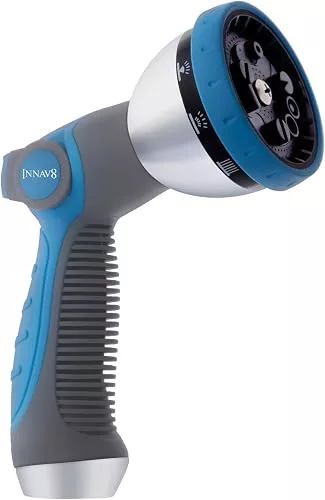
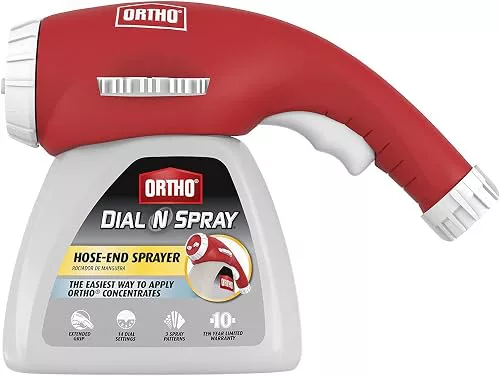
Spray patterns and control. Some models offer a single adjustable cone, while others provide several named patterns for tasks like rinsing, soaking or gentle watering. More patterns are not automatically better, but a clear, easy-to-turn selector helps. Flow control is a related feature worth checking: a thumb lever or dial lets you adjust pressure at the nozzle instead of walking back to the tap, which is handy on a garden hose sprayer used for pots and beds in the same session.
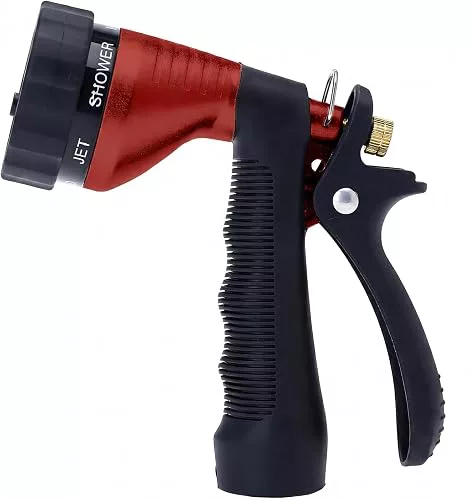
Grip and handling. You will hold a water hose nozzle for longer than you expect, so comfort counts. Look for a trigger that does not require a hard squeeze, a textured or rubberized grip, and a lock or clip that holds the spray on without constant pressure. Weight matters as well: a heavy metal nozzle can feel tiring on a long hose, while a very light plastic one may feel less sturdy.
Connection and fit. A hose spray nozzle is only as good as its connection. Check whether the fitting is threaded metal or plastic, and whether it suits standard hose couplings in your area. Quick-connect systems are convenient but tie you into matching fittings, so confirm what your hose already uses. A swivel collar that tightens by hand helps reduce leaks and makes swapping attachments easier.
Durability and care. Outdoor tools face sun, frost and hard water. Metal parts with rubber seals generally cope well, provided you drain them before cold weather. Look for replaceable washers or seals, and check whether the spray nozzle for garden hose is described as frost-resistant or UV-stabilized. Simple care, like storing the sprayer out of direct sun and emptying it after use, can extend its working life regardless of price.
Price Tiers And What You Get
Budget. At the entry level, expect lightweight plastic bodies, a basic adjustable head and a simple threaded connection. These hose nozzles suit occasional watering and small balconies, but the trigger and collar are usually the first parts to show wear. They can still be a sensible choice if you want a spare sprayer for a second tap.
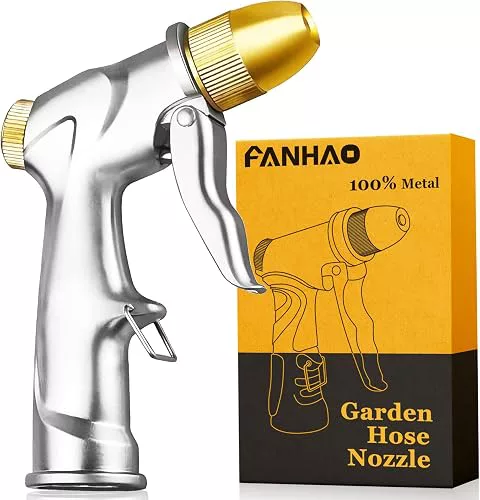
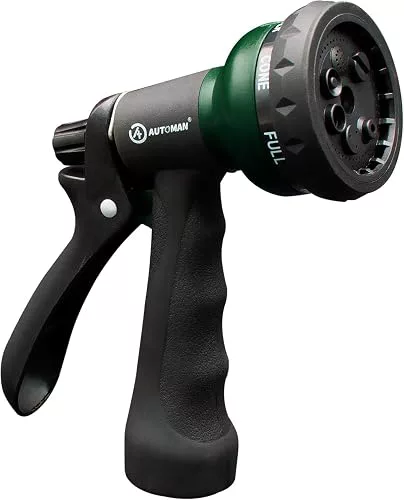
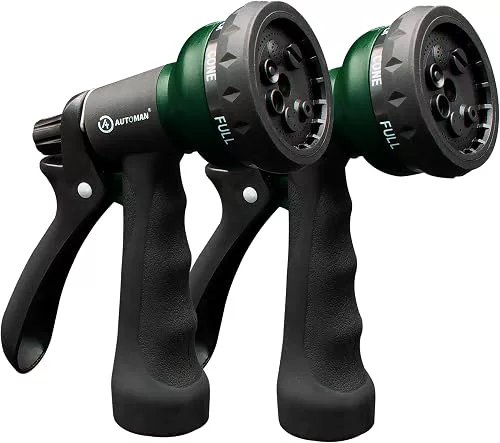
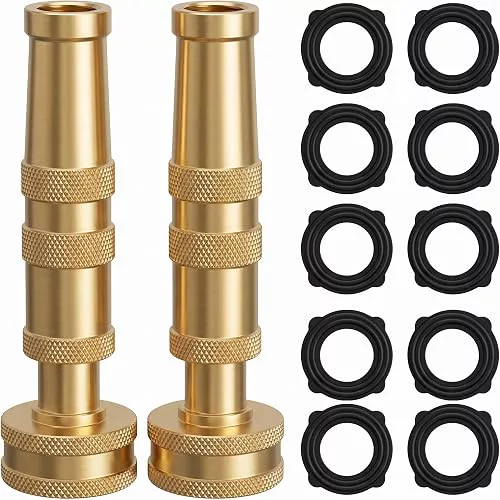
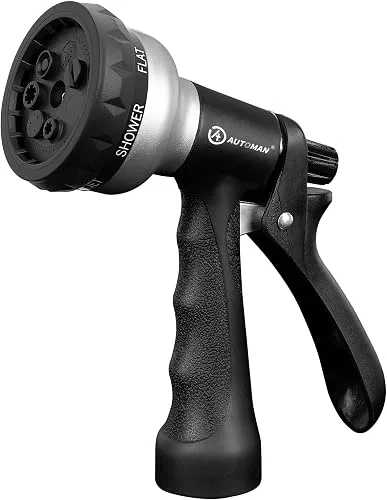
Mid-range. This is where most shoppers land. You tend to get a sturdier body, sometimes metal over a plastic core, smoother trigger action and a more reliable flow control. Pattern selection is usually broader, and fittings feel more secure. Products such as the FANHAO metal hose nozzle and the AUTOMAN hose nozzle sit in this general territory, offering metal construction or multiple spray patterns at a moderate outlay.
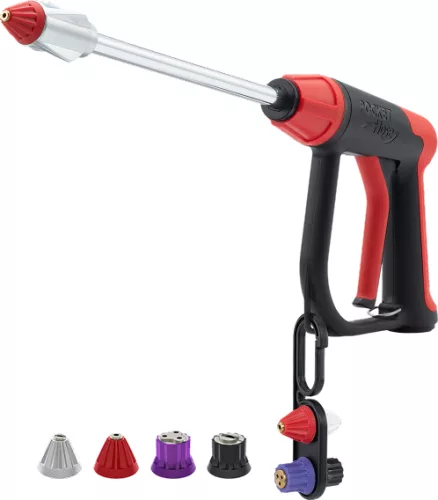
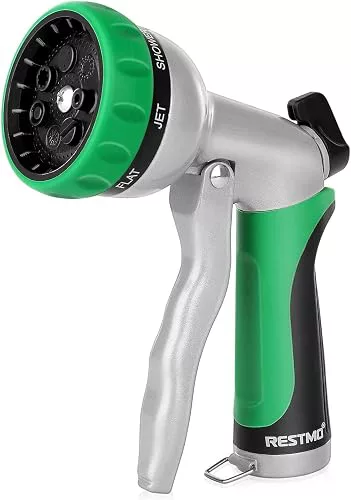
Premium. Higher-priced sprayers generally focus on all-metal construction, refined triggers and better seals. You may see brass components, more precise flow adjustment and a finish designed to resist corrosion. The RESTMO metal hose nozzle with flow control is an example of a model positioned around solid metal build and on-nozzle adjustment. Whether the extra cost is worthwhile depends on how often you water and how long you want the tool to last.
Practical Tips
- Check your hose fitting before buying, and note whether you need a threaded or quick-connect coupling.
- Test a new sprayer at low pressure first to confirm the connection is tight and the seals seat properly.
- Drain and store the sprayer indoors or in a shed before the first frost to protect seals and plastic parts.
- Soak a clogged head in warm water with a little vinegar to loosen mineral buildup from hard water.
- Use the lock clip for soaking jobs so you are not squeezing the trigger for minutes at a time.
- Keep a spare washer on hand, since a worn washer is a common cause of leaks at the connection.
Frequently Asked Questions
What is the difference between a hose sprayer and a hose nozzle?
The terms are often used interchangeably. A sprayer usually refers to the whole attachment that controls flow and pattern, while a nozzle can mean the same thing or specifically the shaped tip where water exits. In practice, most products sold as hose nozzles work exactly like a hose sprayer.
Are metal hose sprayers better than plastic ones?
Metal bodies generally feel more solid and resist knocks and sun damage better than plastic, but they are heavier and often cost more. A well-made plastic sprayer can serve light use for years. The trigger and seals matter as much as the body material.
How many spray patterns do I need?
For most gardens, a few useful patterns are enough: a soft shower for seedlings, a medium spray for beds and a stronger jet for rinsing. More patterns add flexibility but also more moving parts. Choose a selector that turns easily and clicks clearly into place.
Why does my sprayer leak at the connection?
Leaks usually come from a worn or missing washer, a loose collar or mismatched threads. Check the washer first, then tighten the collar by hand and confirm the fitting matches your hose. If the leak continues, the threads on the sprayer or hose may be damaged.
Can I leave a hose sprayer outside all year?
It is better not to. Sun exposure degrades plastic and rubber over time, and trapped water can freeze and crack the body in winter. Draining the sprayer and storing it in a shed or garage when not in use is a simple habit that helps it last longer.