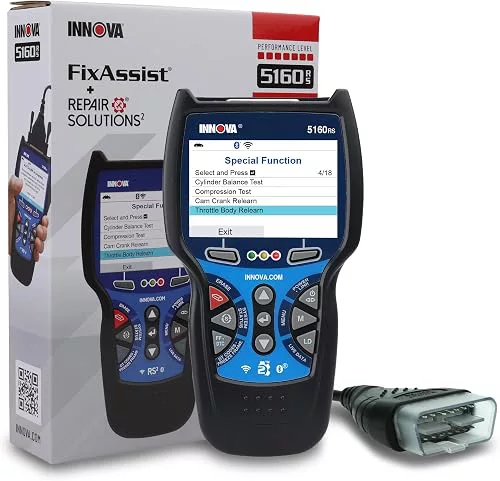
Buying Guide: OBD Fuel Savers
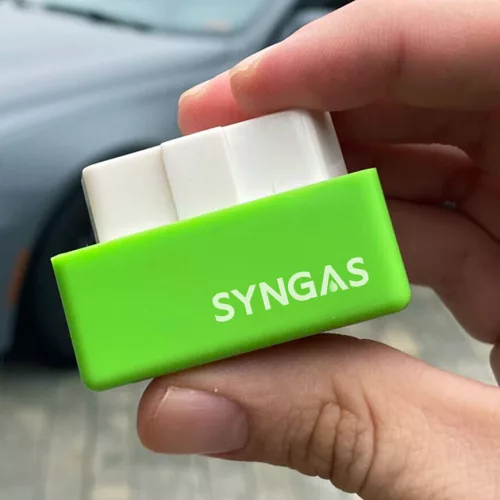
OBD fuel savers are small devices that plug into a vehicle's diagnostic port and claim to improve fuel economy by changing how the engine or transmission behaves. Some units simply read data and display driving feedback, while others are marketed as plug-and-play modules that alter signals. The category also overlaps with devices that disable cylinder management systems on certain GM engines, which is a different function entirely.
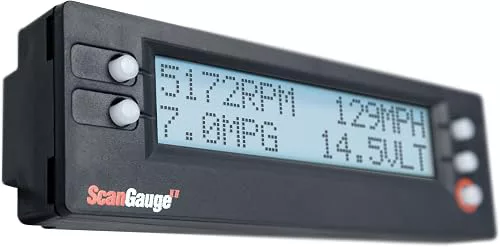
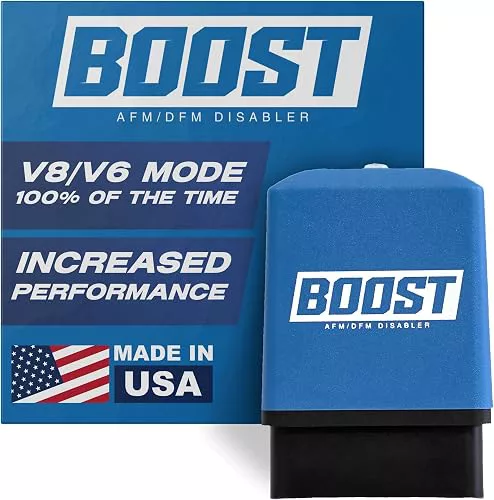
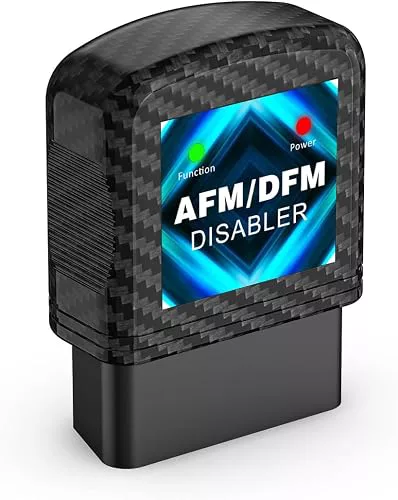
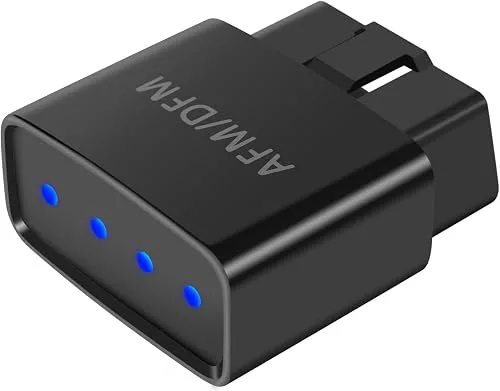
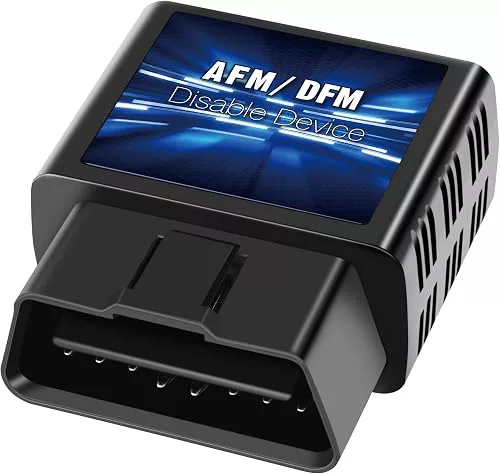
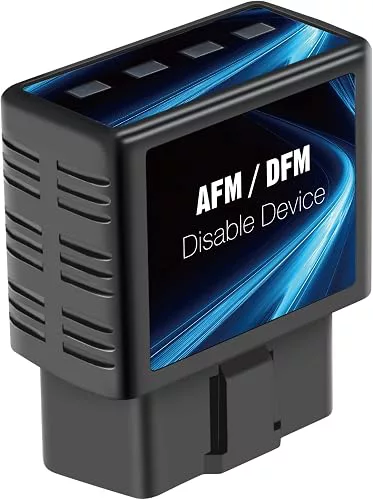
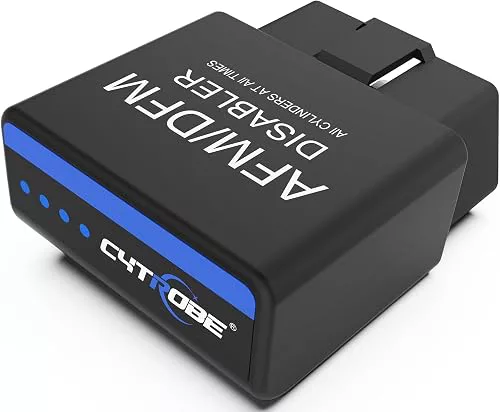
This guide looks at a short list of products in and around this category, including a plug-and-play OBD2 module, a trip computer and code reader, and cylinder deactivation disablers for V6 and V8 GM motors. Rather than claiming hands-on results, we explain how we ranked the options using customer ratings, then walk through what to consider, how price tiers differ, and what to expect in real-world use.
How we chose
Our rankings are based on an analysis of customer star ratings and the number of ratings each product has received. We did not test, install, or measure any of these devices ourselves, so we cannot report fuel savings figures or confirm performance on a specific vehicle. What the ratings reflect is how satisfied buyers say they are after purchase, and how many people have taken the time to leave feedback.
We weighted both the average score and the volume of ratings, because a high average from a handful of reviews carries less signal than a slightly lower average from a large pool of buyers. We also considered whether the listing clearly describes what the device does, since vague claims tend to attract polarized reviews. Products with mixed feedback or unclear function were ranked lower, and we grouped devices by function so you are not comparing a diagnostic display with a cylinder deactivation module as if they were the same thing.
Key things to consider when buying
What the device actually does. This is the first thing to establish. A scan tool or trip computer reads engine data and shows you fuel economy, which can help you adjust driving habits. An obd fuel saver device that claims to modify signals works differently and its effect is far less predictable. A cylinder deactivation disabler is a third category aimed at specific GM engines. Decide which function you want before comparing prices.
Vehicle compatibility. An obd2 fuel saver plug and play unit is only plug and play if it supports your vehicle's protocol and model year. Check the listing for supported makes, years, and engine types, and pay particular attention to cylinder deactivation products, which are usually limited to specific V6 and V8 GM motors. A generic obd fuel saver for cars may fit the port physically but still not communicate correctly with your ECU.
Realistic expectations about savings. Fuel economy is influenced by driving style, tire pressure, load, weather, and route far more than by a small module. Reviews for this category often mention modest or unnoticeable changes, and some buyers report no change at all. Treat any obd2 fuel saving device as a low-cost experiment rather than a guaranteed reduction in fuel bills, and be skeptical of listings that promise large percentage gains.
Build quality and port fit. The diagnostic port is often located under the dash near the driver's knees, so a device that protrudes can be knocked loose. Look for compact housings, strain relief on the connector, and reviews that mention long-term durability. A cheap obd2 fuel saver device that loses connection intermittently is frustrating and may also drain power when the vehicle is off.
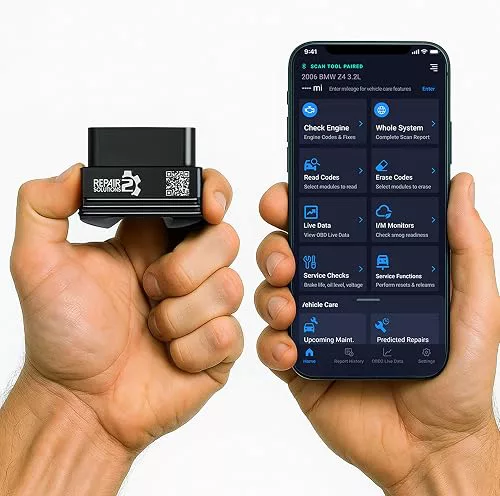
Features beyond fuel economy. Many buyers end up valuing the diagnostic side more than the savings claim. A unit that reads and clears codes, displays live data, or tracks trip cost can be useful regardless of whether it changes fuel consumption. If you are buying an obd fuel saving device mainly for information, prioritize display quality and app support over marketing claims.
Price tiers and what you get
Budget. At the low end you find simple plug-and-play modules and basic code readers. These typically offer limited functionality, minimal documentation, and generic compatibility claims. They can be worth trying if you understand the limitations, but expect little in the way of support or detailed data.
Mid-range. This tier includes trip computers and scan tools with live data, multiple display modes, and better build quality. Devices in this range are often the most useful for drivers who want to understand fuel consumption and adjust habits, and they usually come with clearer instructions and broader vehicle support.
Premium. Higher-priced options tend to be specialized, such as cylinder deactivation disablers for specific GM engines or advanced scan tools with app integration and detailed logging. You are paying for a narrower but more defined function, or for more complete diagnostic coverage. Confirm compatibility carefully at this level, because returns can be more complicated.
Practical tips
- Check your vehicle's model year and engine before buying, especially for cylinder deactivation products.
- Read the negative reviews first; they usually reveal compatibility and durability issues faster than positive ones.
- Keep the packaging and receipt so you can return the device if it does not work with your car.
- Unplug the device if you notice battery drain or warning lights after installation.
- Use any fuel economy display as feedback for driving habits rather than expecting the device to do the work.
- Be cautious with listings that promise specific percentage savings without explaining how the device achieves them.
Frequently Asked Questions
Do OBD fuel savers actually work?
Results reported by buyers vary widely. Devices that display fuel economy can help you drive more efficiently by making consumption visible, while modules that claim to alter engine signals have little consistent evidence behind them. Treat savings claims with caution and expect modest results at most.
Is there any fuel saver that works?
The most reliable way to reduce fuel use is still driving style, maintenance, and tire pressure. Among OBD devices, scan tools and trip computers have a clearer practical purpose because they provide information you can act on. No plug-in device replaces basic fuel-efficient habits.
Is the magnetic fuel saver legit?
Magnetic fuel savers are a different product from OBD devices and generally lack credible support. They clamp onto a fuel line and claim to improve combustion, but there is no widely accepted mechanism for that. Reviews are mixed at best, and we would not rely on one.
Does fuel sync fuel saver work?
Claims for signal-modifying fuel savers are difficult to verify and depend heavily on the vehicle. Some buyers report small changes, others report none, and results are not consistent across models. Check compatibility and reviews for your specific car before buying.
Will an OBD2 fuel saver void my warranty or cause codes?
A device that only reads data is generally low risk, but any module that modifies signals could raise questions if a dealer traces an issue to it. Unplug it before service visits and watch for warning lights after installation. If codes appear, remove the device and see whether they clear.