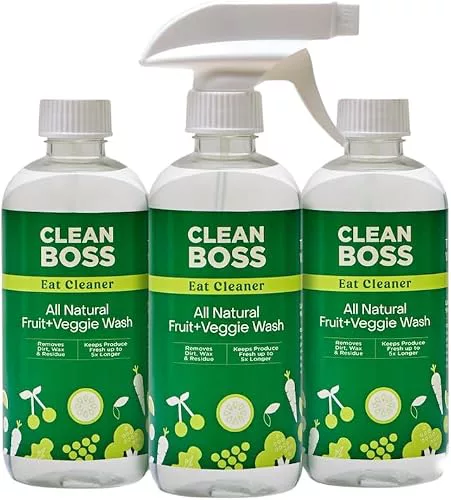
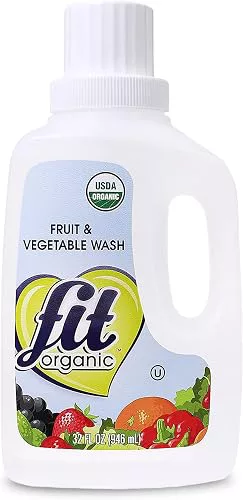
Buying Guide: Produce Cleaners
Produce cleaners are products designed to help remove surface dirt, wax, and residue from fruits and vegetables before you eat or cook them. The category includes liquid washes and sprays, concentrated mixes you dilute in water, and simple tools such as vegetable brushes that work alongside a wash.
This guide looks at a short list of produce cleaners and explains how the list was put together, what to weigh up before buying, and what you can expect at different price points. It is meant to help you compare options calmly rather than push you toward a single product.
How we chose
Our list is based on an analysis of customer star ratings and the number of ratings each product has received. We did not test any of these products hands-on, so nothing here reflects a personal trial, measurement, or laboratory result. Instead, we looked at how shoppers rated each item after using it in their own kitchens and how many people took the time to leave a rating.
A product with a high average rating and a large number of ratings tends to appear higher, because the pattern is more consistent across many buyers. Products with few ratings are treated more cautiously, even if their average looks strong. This method has limits: ratings reflect personal preference, and a wash that suits one household may not suit another. We present the list as a starting point for your own comparison, not as a verdict.
Key things to consider
Ingredients and residue. Read the label to see what the wash contains and whether it is meant to be rinsed off thoroughly. Some shoppers prefer simple, familiar ingredients, while others are comfortable with a formulated spray. Whatever you choose, follow the instructions on the bottle for dilution and rinsing, since a fruit and vegetable wash is only useful if it is used as directed.
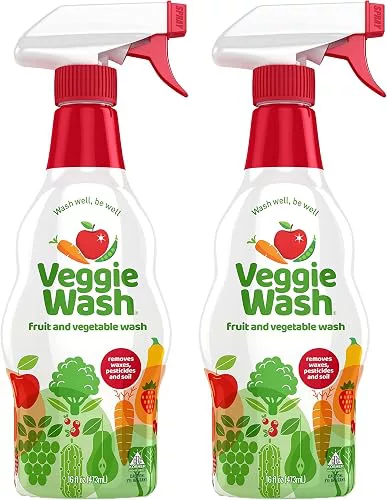
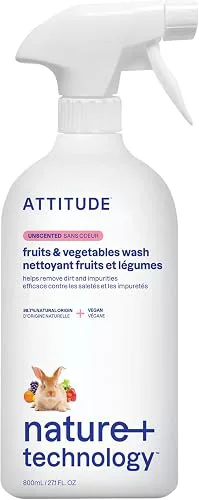
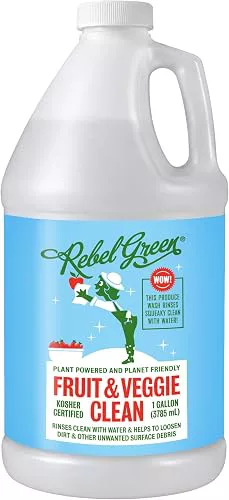
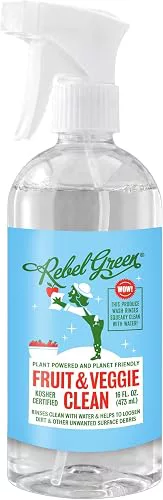
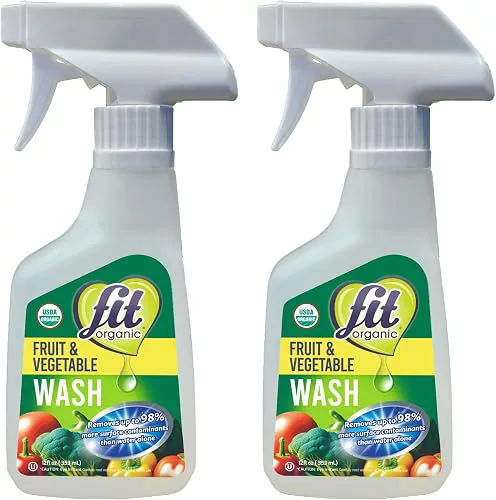
Format and convenience. Produce cleaners come as ready-to-use sprays, concentrated liquids you mix with water, and larger multi-packs. A spray is handy for a quick fruit wash before a snack, while a concentrate may suit households that clean a lot of produce at once. Think about how much counter or fridge space you have and how often you cook.
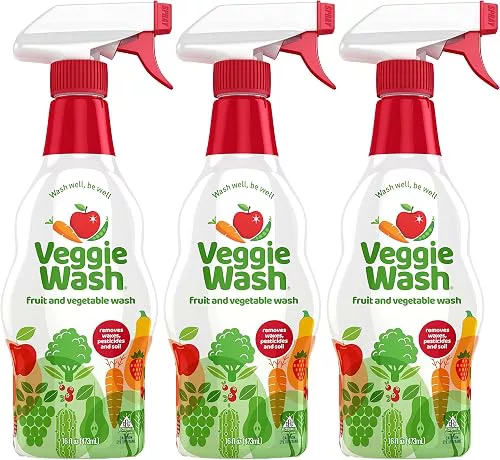
Coverage and value per use. A concentrated vegetable wash may last longer than a ready-to-use bottle, but it requires measuring and mixing. Multi-packs can reduce the number of repeat purchases, though they only make sense if you will use them before they expire. Compare how many uses you expect from each format rather than just the shelf price.
Produce types and surfaces. Soft berries, leafy greens, and thick-skinned items like apples or potatoes behave differently in water. Some washes are marketed for general use, while others pair well with a brush for firm produce. A fruit and veggie wash that suits your usual shopping basket is more practical than one aimed at produce you rarely buy.
Storage and shelf life. Check how the product should be stored and whether it has a limited shelf life after opening. A vegetable cleaner that needs refrigeration or has a short window after mixing may be less convenient for occasional cooks. This is easy to overlook but affects how much of the bottle you actually get through.
Price tiers and what you get
Budget options usually include simple brushes and basic washes in smaller bottles. At this level you get a straightforward product that covers everyday needs, though you may need to replace it more often or buy a separate brush for firm produce. A basic vegetable wash in this tier is often enough for households that clean produce a few times a week.
Mid-range products tend to offer larger bottles, concentrates, or multi-packs, and sometimes a spray format that is easier to use. This is where a fruit and vegetable cleaner often balances cost per use with convenience. You may also find washes with clearer instructions on dilution and rinsing, which helps you use the product properly.
Premium options include formulated sprays and larger multi-packs from established brands, as well as specialty washes. At this level you are often paying for convenience, packaging, or a specific formulation rather than a dramatic difference in everyday results. A premium produce wash can make sense if you clean a lot of produce and value a ready-to-use format.
Practical tips
- Rinse produce under running water before and after applying a wash, and follow the label directions for how long to leave it on.
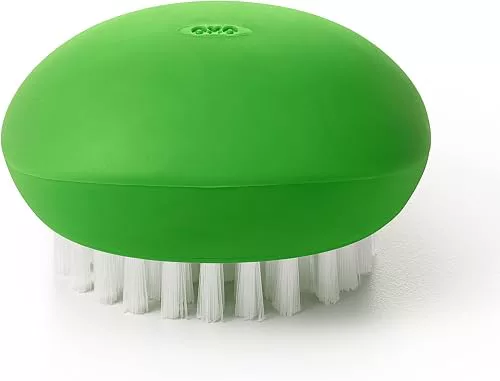
- Use a clean brush for firm items like potatoes and melons, and keep the brush dry between uses to avoid buildup.
- Mix concentrates in a clean container and use them within the time the label recommends rather than storing diluted wash for days.
- Clean your sink or bowl before washing produce so you are not reintroducing dirt from a previous task.
- Store washes away from direct heat and check the label for any storage instructions after opening.
- If you buy a multi-pack, check the use-by dates so you do not end up with more bottles than you can use.
Frequently Asked Questions
What is the best thing to clean produce with?
For most produce, plain running water and a bit of gentle rubbing remove surface dirt effectively. A produce wash can help with waxy or sticky residue, and a brush is useful for firm items. Follow the label on any wash you use and rinse well afterward.
Does the produce cleaner really work?
Produce cleaners are formulated to help lift dirt and residue from the surface of fruits and vegetables, and many shoppers report that they do. Results depend on the product, how it is used, and the type of produce. Rinsing thoroughly and following the instructions matters as much as the product itself.
Is it better to wash produce with vinegar or baking soda?
Both are common household options, and each has its own following. Vinegar is often used as a simple soak, while baking soda is sometimes used for scrubbing firm produce. Neither is a substitute for rinsing with water, and a commercial fruit wash is another option if you prefer a ready-made product.
What are the best vegetable cleaners?
There is no single answer, because the right choice depends on your budget, how much produce you clean, and whether you prefer a spray, concentrate, or brush. Our list is based on customer ratings and rating counts rather than hands-on testing. Compare formats and ingredients to find one that fits your routine.
Do I need a separate brush and a wash?
Not necessarily, but they do different jobs. A brush helps scrub firm produce like potatoes and melons, while a wash is applied to the surface and rinsed away. Many households use both, and a simple vegetable brush is an inexpensive addition to a produce wash routine.