Buying Guide: Shield Sunglasses
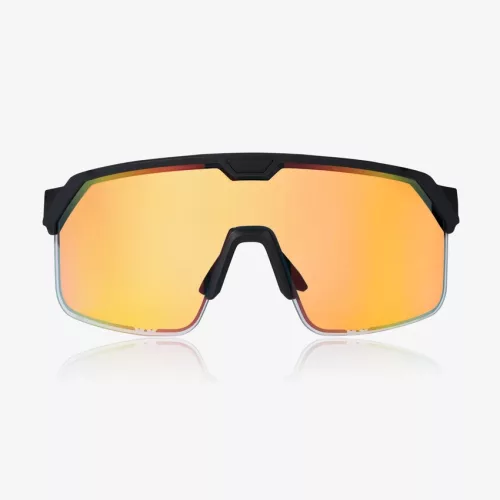
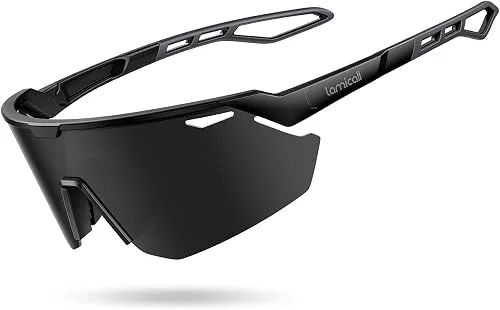
Shield sunglasses are the wraparound styles that use a single continuous lens or a lens that reads as one piece across the face. They cover more of the eye area than traditional frames, which is why runners, cyclists, skiers, and everyday wearers drawn to a sporty or futuristic look tend to gravitate toward them. The category has widened well beyond athletic gear, and you can now find shield style sunglasses in bold fashion shapes, oversized proportions, and tint-variable lenses.
This guide is built from an analysis of customer star ratings and the number of ratings for the products on our list, not from hands-on testing. It walks through how we selected the products, the factors that matter most when choosing a pair, what you can generally expect at different price levels, and practical tips for buying. It closes with answers to common questions shoppers ask about shield sunglasses.
How we chose
Our selection is based on analyzing customer star ratings and the number of ratings that shoppers have left for each product. We did not test, try, measure, or use any of the products ourselves. The ratings reflect the experiences of people who bought and wore the sunglasses, and the volume of ratings helps us gauge how much weight to give those scores. A product with many ratings and a consistently high average tends to be a safer recommendation than one with a handful of reviews, even if the small sample looks glowing.
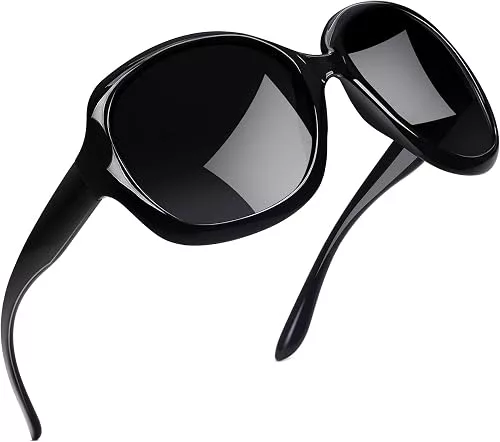
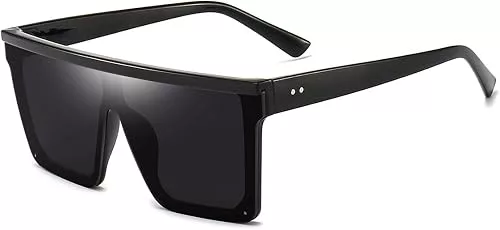
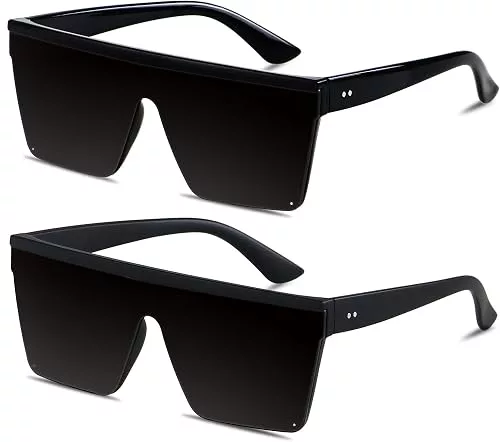
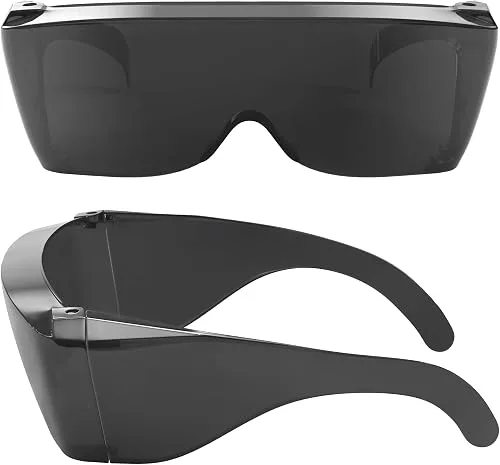
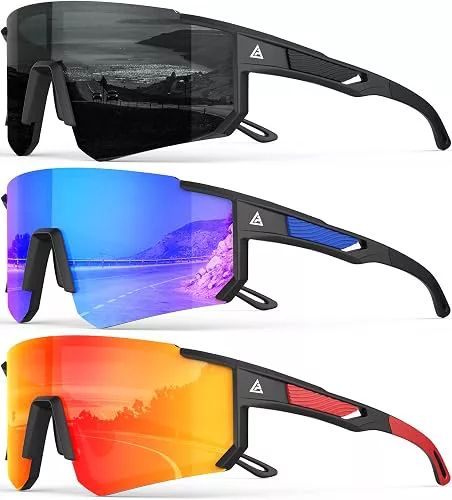
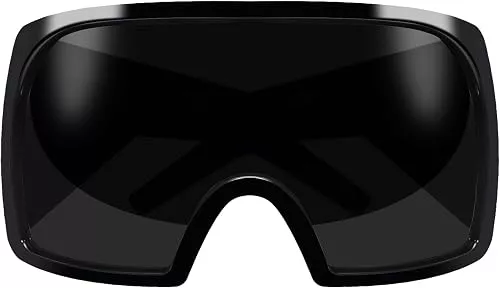
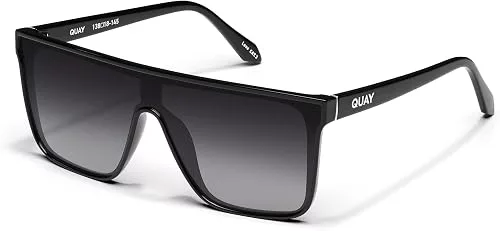
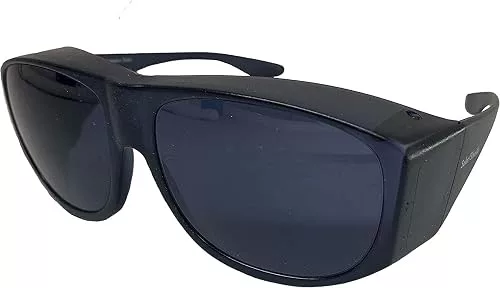
We also considered how clearly each product fits the shield category and how distinct it is from the others on the list. That is why the selection includes a range of approaches: tint-adjustable lenses, oversized polarized frames aimed at women, square flat top styles, and a fit-over wrap design. We did not rank on price, brand reputation, or specifications we could not verify. Where ratings were mixed or sparse, we treat the product as a less proven option rather than dismissing it outright.
Key things to consider when buying
Lens coverage and shape. Shield sunglasses are defined by how much of the face the lens covers. A true single-lens shield wraps closely and blocks light from the sides, which suits bright, open environments. A flat top design with a straight upper edge offers a similar wide look but sits differently on the face. Think about whether you want that continuous wrap or a squared-off silhouette, because the shape changes both the field of view and how the frame pairs with your face shape.
Fit and face width. Because shield frames are wide by nature, fit matters more than with smaller styles. Oversized shield sunglasses can overwhelm a narrow face, while a snug wrap can press against the temples or interfere with a hat. Look for adjustable nose pads and temple arms if you plan to wear them for long stretches. If you wear prescription glasses, a fit-over wrap around design lets you keep them on underneath, which is a practical option for driving or outdoor work.
Lens tint and light conditions. The tint you choose should match where you wear the sunglasses. Darker lenses suit bright sun, while lighter or contrast tints help in mixed or overcast conditions. Polarized lenses reduce glare from water, snow, and roads, which many people find useful for driving and time near the water. Tint-adjustable lenses add flexibility if you move between indoor and outdoor light or want one pair for changing conditions.
Frame material and weight. Shield styles have more lens area, so the frame material affects comfort over a full day. Lightweight plastics and flexible frame materials tend to sit more comfortably for sport and casual wear, while thicker frames can feel more substantial and fashion-forward. Consider how the arms grip and whether the bridge sits comfortably on your nose, since a wide lens concentrates weight in the center of the frame.
Style and versatility. Shield sunglasses for men and shield sunglasses for women now cover a wide style range, from athletic wraps to oversized fashion frames. A bold shield shape makes a statement, so think about how it fits your wardrobe and daily routine. Neutral frame colors and classic tints tend to work across more outfits, while mirrored or brightly tinted lenses lean more toward specific looks.
Price tiers and what you get
Budget tier. At the lower end, you generally find basic shield frames with standard tinted lenses and simpler frame materials. These can be a reasonable entry point if you want to try the look or need a spare pair for the car or garden. Expect less refinement in the fit and finish, and check the ratings carefully, since quality can vary widely in this range.
Mid-range tier. This is where most of the list sits. Mid-range shield sunglasses often add polarized lenses, more comfortable nose pads, and sturdier hinges. You may also find larger oversized flat top sunglasses and fit-over wrap designs here. The ratings in this tier tend to be more consistent because brands have more experience with the fit and lens quality.
Premium tier. Premium options bring features like tint-adjustable lenses, which let you change the darkness of the lens rather than committing to a single tint. You may also see more advanced frame materials and more careful finishing. These features are convenient, but they are not essential for everyone. Decide whether the added flexibility is worth the higher cost before you commit.
Practical tips
- Check the number of ratings, not just the average score, before trusting a product's rating.
- Measure your current sunglasses and compare the width to the shield frame you are considering.
- Decide whether you need polarized lenses based on driving, water, or snow exposure.
- If you wear prescription glasses, look specifically at fit-over wrap designs.
- Consider how the frame will sit with hats, helmets, or headphones you use often.
- Read reviews that mention fit and comfort, since shield frames are less forgiving than small styles.
Frequently Asked Questions
Who makes the best shield sunglasses?
There is no single maker that suits everyone, because the right pair depends on your face shape, lens needs, and budget. Instead of chasing a brand name, compare customer ratings and the number of ratings across several options. Look for products with consistent feedback on fit and lens quality.
Why are shield sunglasses so popular?
Shield sunglasses offer wide coverage and a streamlined look that many people find practical for bright outdoor conditions. They also read as sporty or futuristic, which appeals to wearers who want something beyond a standard frame. The style has moved from athletic use into everyday fashion, which has widened their appeal.
Are shield sunglasses still in style?
Shield styles continue to appear in both athletic and fashion contexts, so they remain a current option rather than a passing trend. Oversized shield sunglasses and flat top sunglasses in particular have kept the shape visible in everyday wear. Style is personal, so choose a shape that fits your wardrobe rather than following the moment.
What sunglasses do the Navy Seals use?
We do not have verified information about the specific sunglasses used by Navy SEALs, and we do not make claims about military gear. If that association matters to you, look for wrap-around styles with polarized lenses and secure fits, which are common in tactical and outdoor settings. Check product ratings rather than relying on unverified claims.
How do I choose between womens shield sunglasses and mens shield sunglasses?
The labels are mostly about sizing and styling rather than function. Womens shield sunglasses often come in narrower fits or more fashion-forward shapes, while mens shield sunglasses tend to run wider. Measure a pair you already own and compare the width and bridge to the frame you are considering.