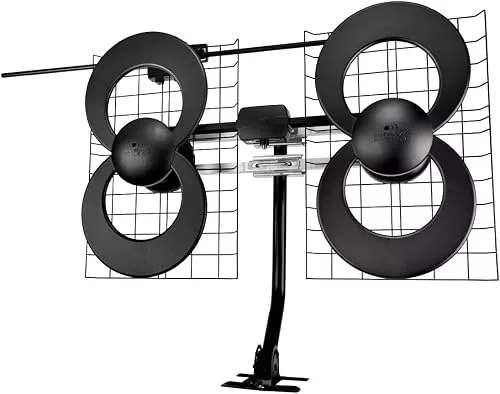
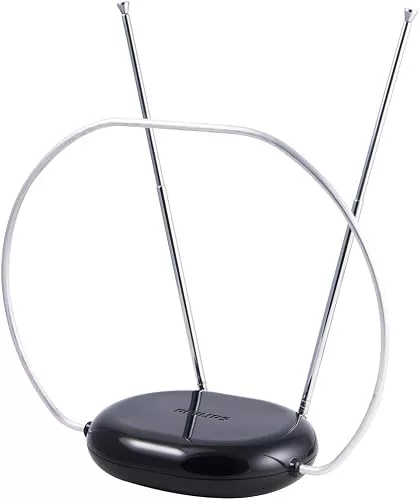
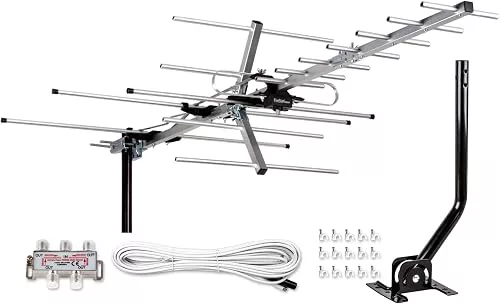
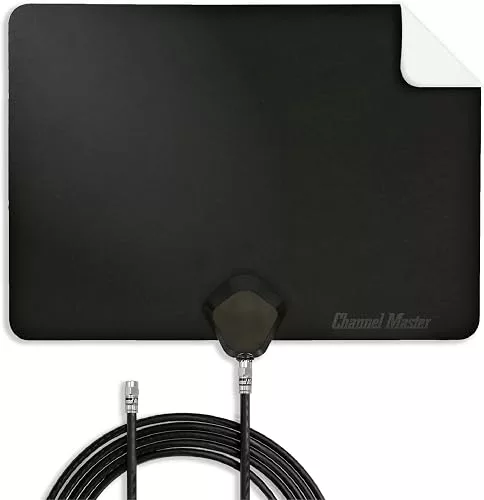
Buying Guide: HDTV Antennas
An HDTV antenna is a simple way to pick up free broadcast channels over the air, and it can be a practical alternative or addition to a streaming setup. The category covers a wide range of designs, from small amplified units that sit near a window to larger models mounted on a roof or mast, so the right choice depends on where you live and how far the transmitters are.
This guide explains how our list was put together, walks through the factors that matter when comparing models, and outlines what you can generally expect at different price levels. It also includes practical setup tips and answers to common questions, so you can narrow down the options before you buy.
How we chose
Our selection is based on an analysis of customer star ratings and the number of ratings each product has received. We looked at how consistently products were rated across a large number of buyers, and we weighted models with a substantial volume of ratings more heavily than those with only a handful. This approach helps surface products that have satisfied a broad range of customers rather than a small sample.
We did not test any of these products hands-on. We did not measure reception, run signal tests, or evaluate build quality in person. The rankings reflect aggregated customer feedback as expressed in ratings, not our own physical trials, and individual experiences with any antenna can vary depending on location, terrain, and building materials.
We also considered how clearly each product is described in terms of its intended use, such as whether it is designed for indoor or outdoor placement. Products with vague or inconsistent listings were treated with more caution. The result is a list intended as a starting point for your own research, not a definitive verdict.
Key things to consider when buying
Indoor versus outdoor placement. An indoor tv antenna is easier to install and needs no drilling or cabling outside, but it is more affected by walls, metal, and distance from transmitters. An outdoor tv antenna generally has a better chance of stable reception in fringe areas, at the cost of more involved installation and weather exposure.
Range and signal conditions. Manufacturers often quote a range figure, but real-world performance depends on terrain, trees, buildings, and the height of your installation. If you live far from the broadcast towers or in hilly country, a larger or amplified design is usually more appropriate than a compact one. Checking the distance to your local transmitters before buying is more useful than comparing quoted range numbers alone.
Amplified versus unamplified. Amplified models include a powered booster that can help when the signal is weak or when a long cable run loses strength. However, in areas with very strong signals, an amplifier can overload the tuner and cause problems, so it is worth knowing your signal situation. Many amplified units let you switch the booster off, which adds flexibility.
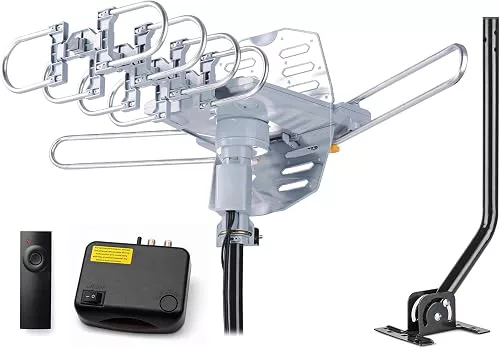
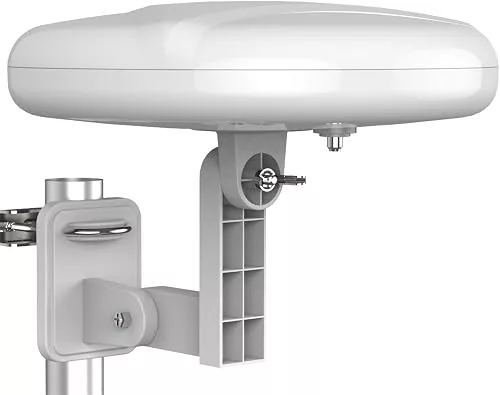
Directional versus omni directional. A directional design is pointed at a specific group of towers and can reject signals from other directions, which helps in areas with multipath interference. An omni directional tv antenna receives from all directions, which suits locations where stations are spread around you, though it may pick up more interference. Some outdoor models combine a rotating mount with a directional element so you can aim it remotely.
Installation and connections. Consider where the antenna will sit, whether you have a suitable window or mounting point, and how the cable will reach your TV or tuner. Outdoor installations may need a mast, grounding, and weatherproofing, and some models require assembly. Checking the included cable length and connector type before buying avoids surprises on installation day.
Price tiers and what you get
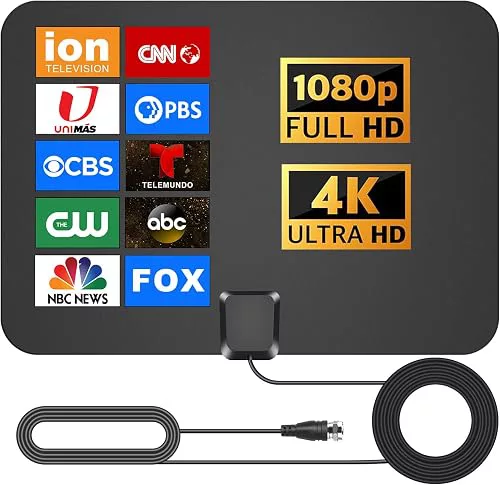
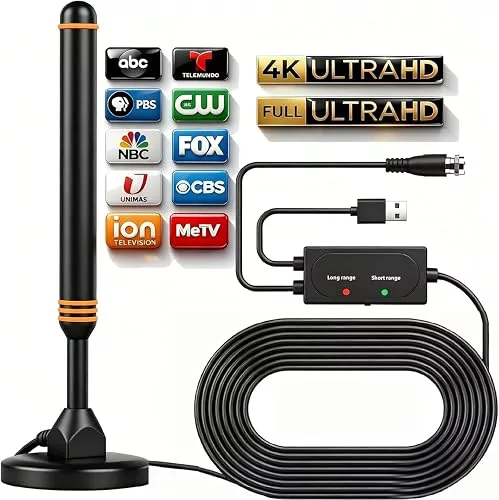
Budget. At the entry level, you typically get a compact indoor hdtv antenna with a short cable and a simple stand or adhesive mount. These are often unamplified or have a basic inline amplifier, and they suit people close to transmitters who want a low-cost way to pick up a tv antenna for local channels. Build materials are usually lightweight plastic, and range claims should be treated with caution.
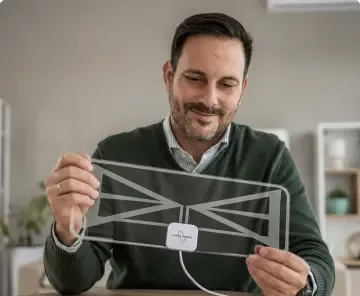
Mid-range. Spending a little more usually brings better construction, a longer cable, and a more capable amplifier with adjustable gain. You may also find flat or slim designs that mount on a wall or window, and some models include mounting hardware for semi-permanent placement. This tier is a reasonable middle ground for suburban homes with moderate distances to towers.
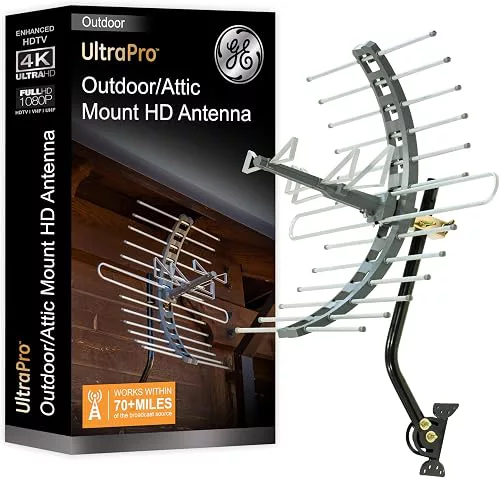
Premium. Higher-priced options tend to be outdoor hd antenna models with larger elements, weatherproof housings, mounting masts, and sometimes remote rotation or multi-directional reception. These are aimed at people in fringe reception areas or those who want a single installation feeding several rooms through a splitter. The extra cost generally goes toward range, durability, and installation flexibility rather than a guarantee of better reception in every location.
Practical tips
- Check the distance and direction to your nearest broadcast towers before choosing a model, since this matters more than advertised range.
- Try a few placement positions for an indoor hdtv antenna, such as a window facing the towers, before deciding it does not work.
- Rescan your TV or tuner after installing or moving the antenna so it picks up all available channels.
- Keep cable runs as short as practical and avoid sharp bends, which can degrade the signal.
- If you use an amplifier, test with it switched off as well, since strong local signals can sometimes perform better without boosting.
- For outdoor installations, plan for weatherproofing and safe mounting, and consider whether you need a mast or existing roof mount.
Frequently Asked Questions
Do I need an amplified antenna?
Not always. An amplifier can help when signals are weak or the cable run is long, but in strong-signal areas it can overload the tuner and reduce reception. Many amplified models let you turn the booster off, so you can test both ways.
Will an indoor antenna work in a basement or apartment?
It can, but results depend heavily on construction materials and distance to the towers. Concrete, metal siding, and low positions tend to weaken signals, so a window facing the transmitters is usually the best starting point. If reception is poor, an outdoor or attic-mounted option may be more reliable.
How many channels can I expect to receive?
The number varies by location and cannot be predicted from a product listing. What you receive depends on which stations broadcast in your area, your terrain, and your antenna placement. Checking a local channel lookup before buying gives a realistic picture.
Can I connect one antenna to several TVs?
Yes, using a splitter, though each split reduces the signal reaching each TV, so an amplifier may be needed. For a whole-home setup, an outdoor tv antenna with a distribution amplifier is often the more practical approach. Plan the cabling before installation.
Does an HDTV antenna need a special TV?
No. Most modern TVs have a built-in digital tuner, and you simply connect the antenna and run a channel scan. Older sets may need a separate converter box, and the antenna itself works the same either way.