Buying Guide: Smart Trackers
Smart trackers are small devices you attach to everyday belongings so you can locate them from your phone when they go missing. They are commonly used for keys, bags, wallets, luggage and other items that are easy to misplace, and they connect over Bluetooth to a companion app that shows the last known location or rings the tracker when it is nearby.
This guide explains how the products on our list were selected, what to weigh up before buying, and how price tiers differ. It is based on an analysis of customer star ratings and the number of ratings rather than hands-on testing, so treat it as a starting point for your own research rather than a verdict on any single device.
How we chose these smart trackers
Our list was built by looking at customer star ratings and how many ratings each product has received. A product with a strong average from a large number of buyers generally ranks higher than one with a similar average from only a handful of ratings, because a larger sample gives a steadier picture of how buyers tend to feel about it. This approach also helps separate long-standing products from newer arrivals that have not yet built up much feedback.
We did not test, try, measure or use any of these products ourselves. We have not verified battery life, range, app behavior or build quality in person, and we have not run side-by-side comparisons. The rankings reflect aggregated buyer feedback only, and individual experiences can vary depending on the phone, the environment and how the tracker is used. We also do not state prices or stock, since those change frequently.
Key things to consider when buying
Compatibility with your phone. Many smart tracker tags are designed to work most fully within one ecosystem, so check that the tracker supports your phone model and operating system before buying. Some features, such as precise nearby finding or network-based location, may only work on certain devices.
Network and range. A Bluetooth tracker relies on direct Bluetooth contact for close-range finding, while wider location updates depend on a wider network of compatible devices. Think about where you plan to use it: a wallet tracker card used around the home has different needs from luggage tracker tags that travel through airports and hotels.
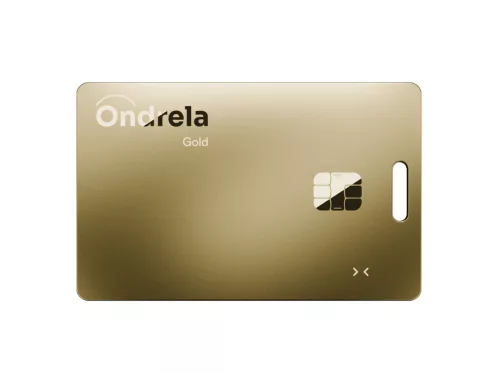
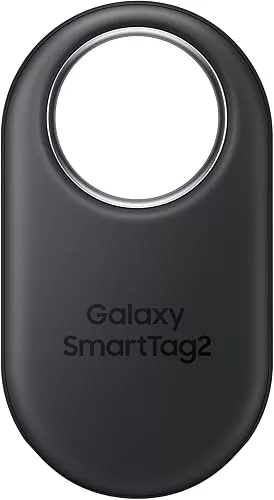
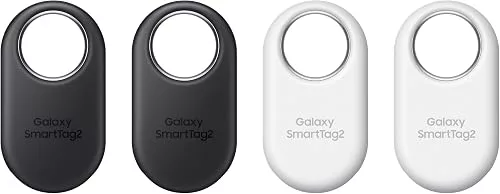
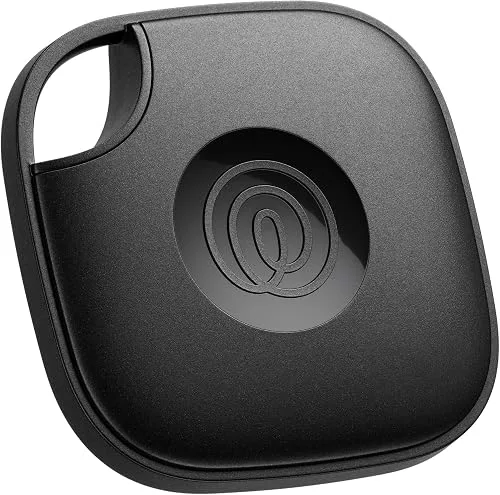
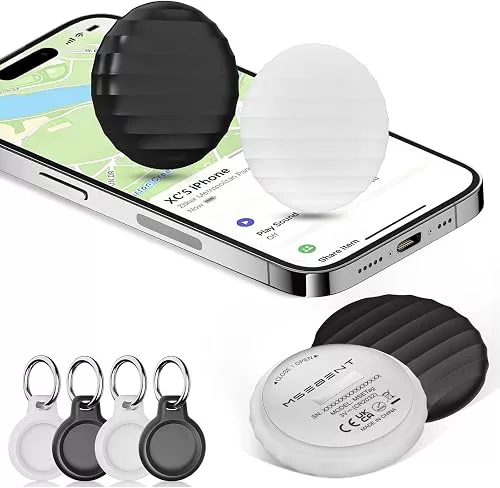
Form factor and attachment. Tracking tags come in several shapes, including small fobs with a hole for a keyring and flat cards sized for a wallet. Consider how you will attach or carry the device, whether it needs a case or holder, and whether the size suits the item you want to keep track of.
Battery and maintenance. Some bluetooth trackers use a replaceable coin cell battery, while others are sealed and need charging or replacement over time. Check how the battery is handled and whether the app warns you when power is running low, so a tracker does not quietly stop working.
Privacy and account requirements. These devices usually require an account and share location data through the manufacturer's network. Read how the maker handles location data, who can see a tracker's location, and whether there are features to alert you to unwanted tracking before you commit.
Price tiers and what you get
Budget. At the lower end, expect basic key finder tags that ring when in Bluetooth range and show a last-seen location in the app. Multi-packs are common here, which suits buyers who want to cover several items at once, though features and app polish tend to be simpler.
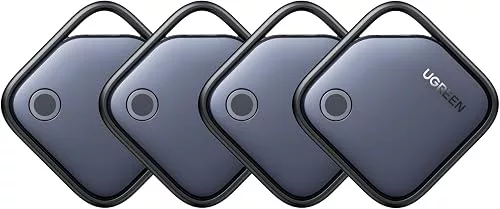
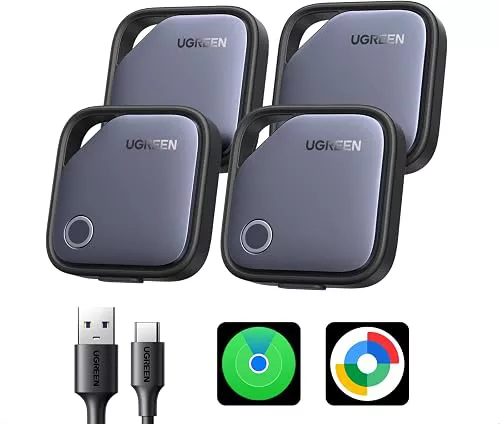
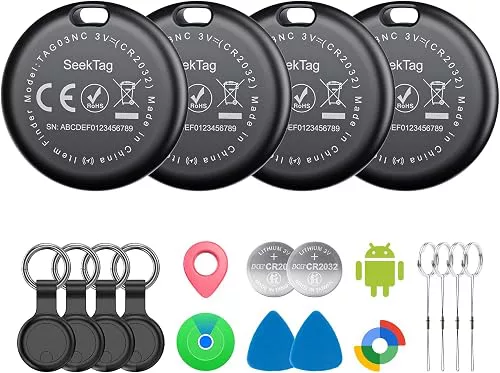
Mid-range. Mid-range models often add a wider finding network, louder speakers, water resistance or a replaceable battery. You may also see multi-packs of four, which works well for families or for covering a bag, keys and a car in one purchase.
Premium. Premium options tend to focus on design and form factor, such as slim wallet tracker cards or tags with more robust build quality and broader network support. The extra cost usually goes toward materials, ecosystem integration and convenience rather than a fundamentally different locating method.
Practical tips before you buy
- Decide which items matter most first, then choose a form factor that fits them, such as a card for a wallet or a fob for keys.
- Check that the tracker works with your phone and that the features you care about are supported on your device.
- Consider a multi-pack if you want to cover several belongings, since the per-unit cost is usually lower than buying singles.
- Read recent customer reviews for comments on app reliability and battery life, not just the average score.
- Think about where the tracker will travel and whether water resistance or a secure attachment matters for that use.
- Set up the tracker and test the ring and location features at home before relying on it during a trip.
Frequently Asked Questions
How do smart trackers actually work?
Most connect to your phone over Bluetooth and appear in a companion app that can ring the device when it is nearby. For items further away, many rely on a wider network of compatible devices that can report a location. The exact behavior depends on the brand and the phone ecosystem.
Do I need a subscription to use one?
Many basic locating features work without a subscription, but some brands charge for advanced features such as location history or alerts. Check the app details before buying so you know what is included. The products on our list vary in this respect.
Can I use a tracker for luggage when travelling?
Yes, luggage tracker tags are a common use, and many people place one in a checked bag or carry-on. Keep in mind that locating depends on nearby compatible devices, so results can vary by airport and region. Check airline rules on trackers in checked baggage before you fly.
How long does the battery last?
Battery life varies widely by model and by how often the tracker is used for ringing or location updates. Some use a replaceable coin cell, while others are sealed. Look at the maker's stated figures and customer comments rather than assuming a fixed lifespan.
Are these trackers suitable for finding a lost pet or child?
These devices are designed for belongings, not for tracking people or pets, and their range and update frequency may not suit that use. If you need live tracking for a pet or a person, look for a purpose-built device instead. Treat item tracker tags as a tool for bags, keys and similar belongings.