Buying Guide: Night Light Projectors
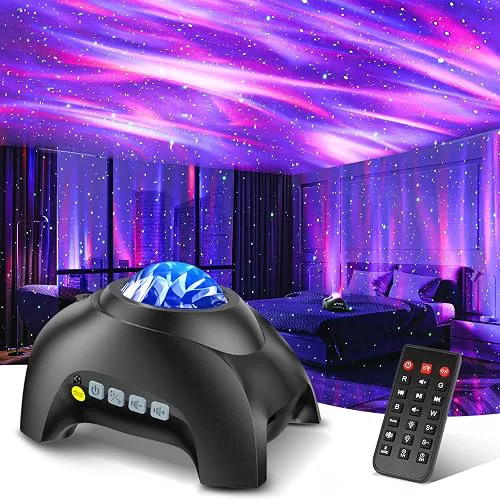
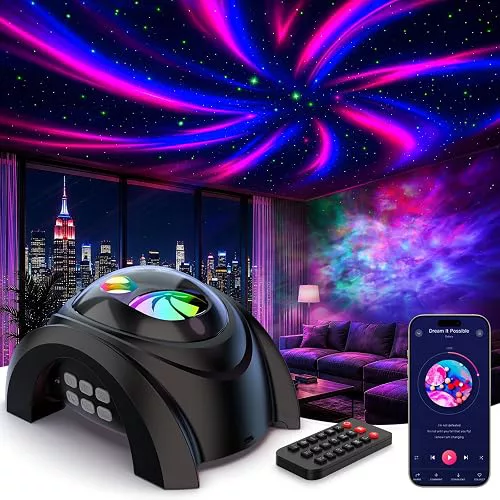
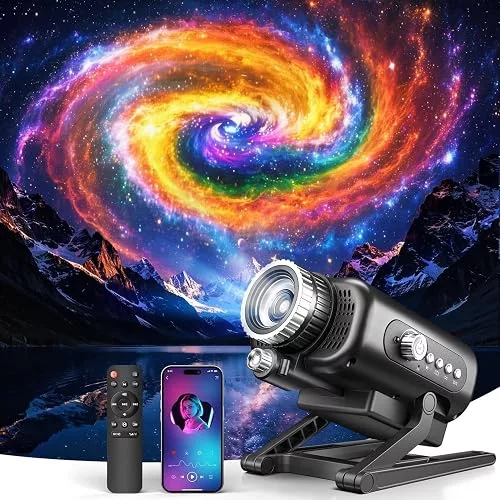
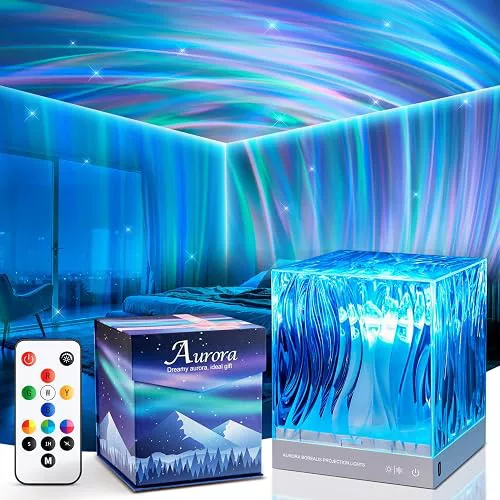
A night light projector fills a room with moving stars, drifting clouds, or soft aurora bands, turning a plain ceiling into something worth looking at before sleep. These devices range from simple plug-in units that cast a single pattern to app-connected models with multiple lenses, adjustable brightness, and built-in speakers. They are popular in children's rooms, but plenty of adults use them too for winding down or setting a calm mood in the evening.
This guide explains how our list was put together, walks through the features that matter most when comparing models, and breaks the market into budget, mid-range, and premium tiers. It also includes practical tips and answers to common questions. We did not test any of these products ourselves, so everything here is based on patterns in customer ratings and general knowledge of the category rather than hands-on use.
How We Chose
Our list is built from an analysis of customer star ratings and the number of ratings each product has received. We looked at how consistently a model earns positive scores across a large pool of buyers, and how that record compares with others in the same category. A product with many ratings and a strong average tends to sit higher than one with a small handful of reviews, because a larger sample gives a more reliable picture of what buyers typically experience.
We did not test, measure, or use any of these projectors. That means we cannot speak to how a specific unit looks in a real room, how loud its motor is, or how well its app works on your phone. What we can say is that the models on this list have enough positive feedback from enough people to suggest they generally deliver what buyers expect. Ratings are a useful starting point, but your own room, ceiling height, and preferences will shape your experience more than any score.
Key Things to Consider
Projection coverage and distance. Think about the size of the room and where the projector will sit. Most units throw a wider pattern when placed farther from the ceiling or wall, but brightness fades with distance. A small bedroom may only need a modest throw, while a larger space benefits from a model that can fill more surface area without washing out. Check the recommended placement range before you buy.
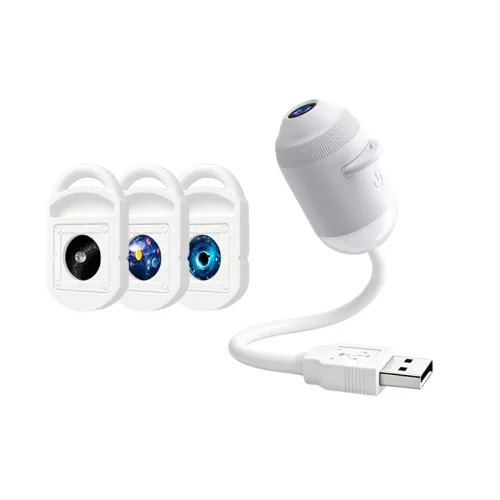
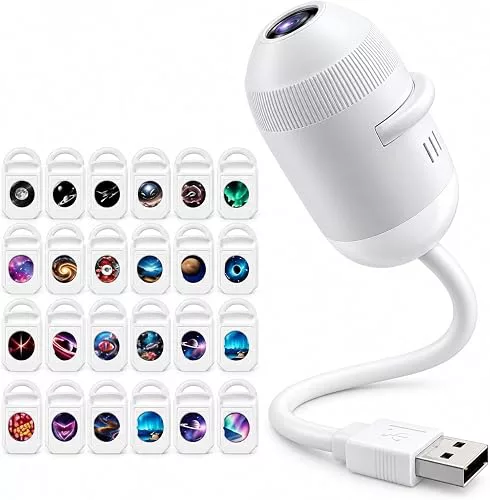
Light sources and patterns. Some projectors use a single lens with a fixed pattern, while others combine a star field with a nebula or aurora layer. A galaxy projector with two lenses gives you more variety, since you can often run the layers together or separately. Consider whether you want realistic stars, soft color clouds, or both, and whether the patterns rotate or stay still.
Brightness and adjustability. A night light projector for bedroom use usually needs to go dim enough not to interfere with sleep. Look for adjustable brightness and, ideally, a separate control for each light layer. Models that only offer on and off tend to be less flexible. If the projector will double as a party light, higher output matters more than dimmability.
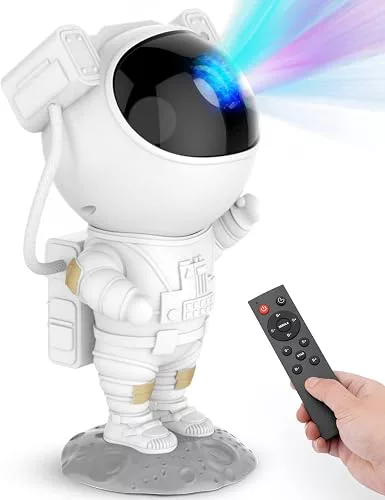
Controls, timers, and power. Remote controls, app control, and built-in timers are common at higher price points. A timer that shuts the unit off after a set period is genuinely useful for a night light projector for kids, since you do not have to go back into the room. Also check whether the device runs on USB power, batteries, or a wall adapter, and how long the cable is.
Sound and noise. Many projectors include a speaker for white noise or built-in melodies, which can help a night light projector for adults who like audio at bedtime. Be aware that moving parts produce some motor hum, and built-in speakers vary in quality. If quiet operation matters, look for feedback that mentions noise levels, and treat sound features as a bonus rather than the main reason to choose a model.
Price Tiers and What You Get
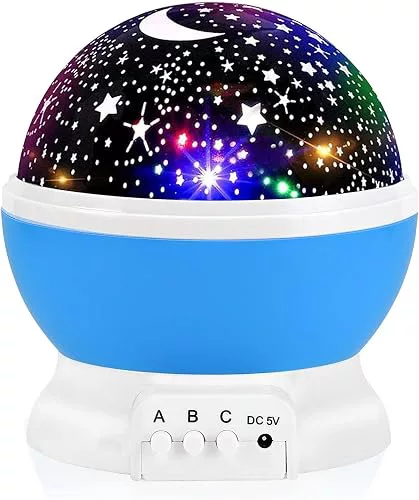
Budget models typically offer a single projection pattern, basic on and off controls, and USB power. They can still work well as a simple star light projector for a small room, but expect fewer adjustment options and simpler build quality. At this level, the appeal is low commitment and easy setup.
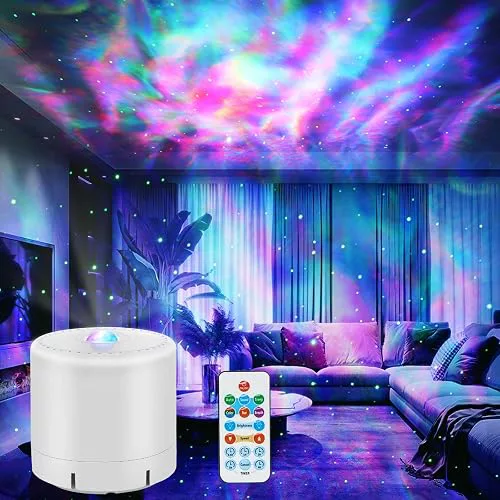
Mid-range projectors usually add a second light layer, adjustable brightness, a remote, and often a timer. This is where most of the list sits, and it is generally the sweet spot for a galaxy star projector that will be used nightly. You get more control over color and intensity without paying for app connectivity or premium materials.
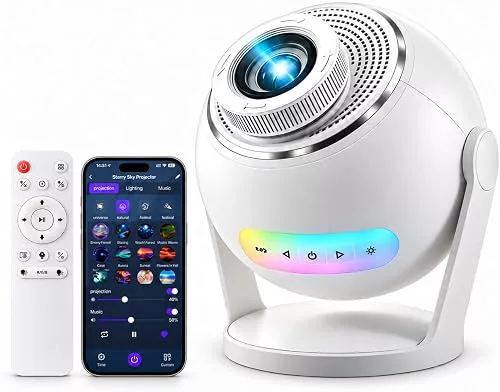
Premium models tend to include app control, multiple lenses, built-in speakers, and more polished housings. They suit buyers who want a galaxy light projector that doubles as room decor or a party centerpiece. The extra cost buys flexibility and finish rather than a fundamentally different projection.
Across all tiers, price tracks features and materials more than raw brightness. A well-rated mid-range unit often satisfies the same everyday needs as a premium one, so decide which extras you will actually use before moving up a tier.
Practical Tips
- Place the projector on a stable surface aimed at a plain ceiling or wall, since textured or dark surfaces dull the effect.
- Keep the room reasonably dark during use; ambient light from windows or lamps washes out projected patterns.
- Test the timer and remote from your usual sleeping position before relying on them nightly.
- Clean the lens gently with a dry microfiber cloth, as dust softens the projection over time.
- Check the power cable length against your outlet placement, especially if the unit sits across the room.
- If you buy for a child, confirm the unit has a timer and a dim setting rather than only full brightness.
Frequently Asked Questions
Are night light projectors safe to leave on overnight?
Most units are designed for extended use, but check the manufacturer's guidance on runtime and heat. A model with a timer lets you run it for a set period and shut it off automatically. Always follow the instructions that come with the device.
Can a star projector help a child fall asleep?
Many families use one as part of a calming bedtime routine, and the dim, slow-moving patterns can be soothing. Results vary by child, and a projector is not a sleep aid or a medical product. Keep brightness low and use the timer if your child is sensitive to light.
Do these projectors need a dark room?
They work best in a dark or dimly lit room, because ambient light reduces contrast and washes out the pattern. Some brighter models remain visible with a little light, but the effect is always stronger after dark. Closing curtains helps during summer evenings.
What is the difference between a galaxy projector and a star projector?
The terms overlap, and many products combine both. A star projector usually focuses on a field of points, while a galaxy projector adds colored cloud or nebula layers. Dual-lens models let you run each layer separately or together.
How do I choose between app control and a remote?
App control offers more settings and scheduling but depends on your phone and a stable connection. A remote is simpler and works without setup. If you mainly want a timer and brightness control, a remote is usually enough.